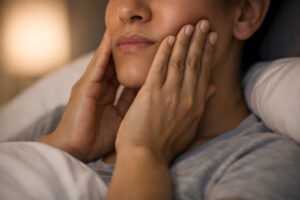
 You wake up with a sore jaw, a dull headache, and the unsettling feeling that your teeth have been working overtime all night long. Bruxism, the involuntary grinding and clenching of teeth, affects far more people than most realize, often without any awareness of the habit until damage has already set in. This is a condition worth understanding early, because the longer it goes unaddressed, the greater the toll it takes on your smile.
At Birch Family Dental, general and family dentistry is rooted in the belief that protecting your smile starts with recognizing problems before they escalate. Serving Green River, Wyoming, for over 40 years, Dr. Birch and Dr. Anderson are experienced in identifying the signs of bruxism and creating customized solutions to protect teeth and relieve long-term discomfort.
What Is Bruxism?
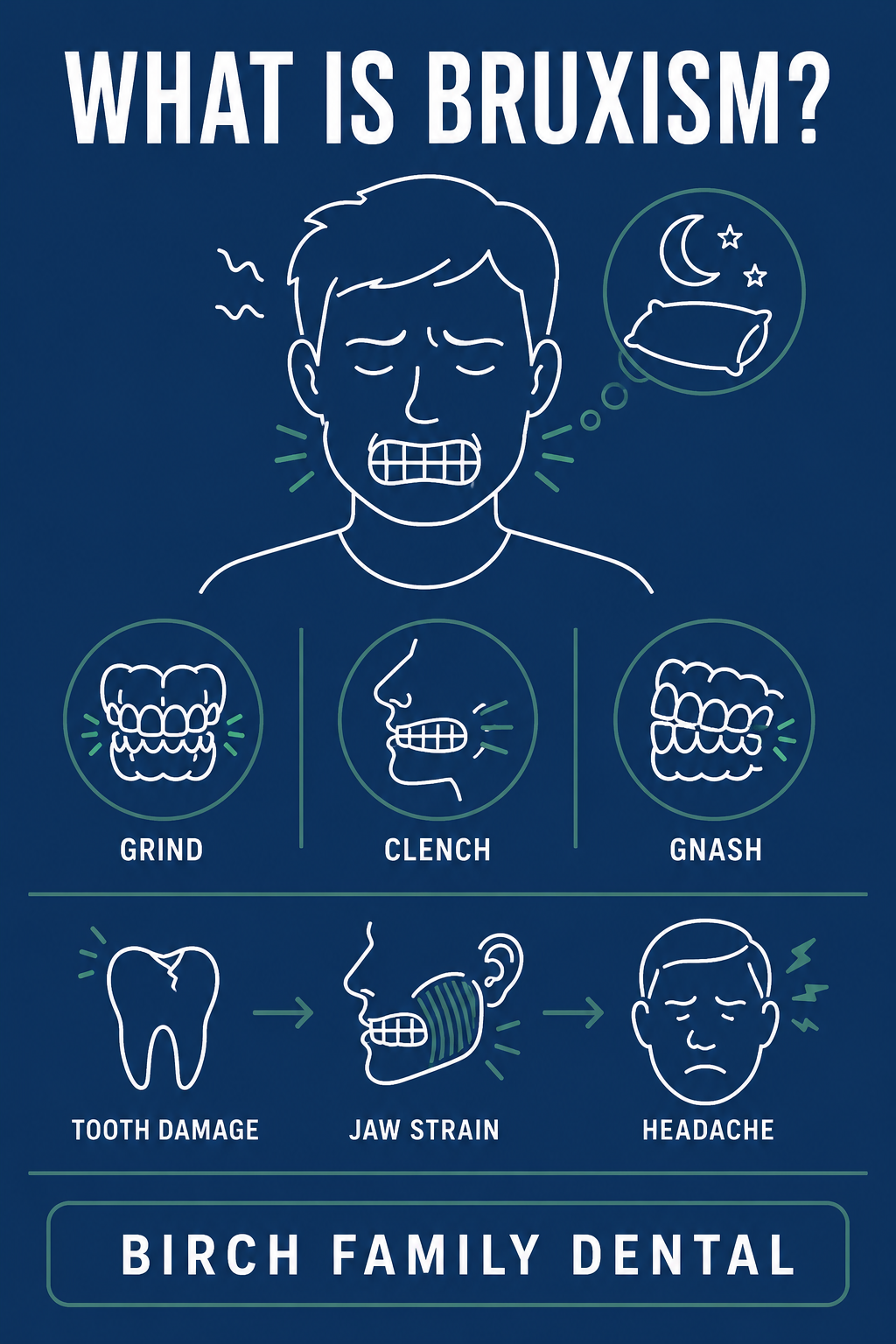
Bruxism is a condition in which a person grinds, gnashes, or clenches their teeth, either while awake or during sleep. Sleep bruxism is particularly common because the person has no conscious awareness of the behavior, leaving teeth and jaw muscles under repeated strain night after night. While occasional clenching may not call for immediate concern, chronic bruxism can lead to serious dental problems over time.
The Most Common Signs of Bruxism
Many people are unaware that they have bruxism until a dentist detects the signs during a routine dental cleaning and exam. There are, however, several telltale signs worth watching for. Some of the most frequently reported symptoms include:
- Waking up with jaw soreness, facial pain, or a dull headache near the temples
- Flattened, chipped, or unusually worn tooth surfaces
- Increased tooth sensitivity or pain
- Tight or tired jaw muscles throughout the day
- Disrupted sleep due to the sounds of grinding
If you recognize any of these signs, bring them up at your next dental appointment. Early intervention can prevent the kind of damage that leads to more complex restorative treatment down the road.
What Causes Bruxism?
The causes of bruxism are not always straightforward, as the condition often involves several overlapping contributing factors. Stress and anxiety are among the most frequently cited triggers, as the body can unconsciously channel tension into jaw clenching and grinding. Sleep disorders, certain medications, and lifestyle habits such as caffeine or alcohol consumption have also been associated with increased bruxism activity.
In some cases, bite misalignment or the way the upper and lower teeth fit together can play a role. A dentist can evaluate your bite and existing tooth wear patterns to get a clearer picture of what may be driving the problem. Understanding the root cause helps guide the most effective course of treatment.
How a Custom Night Guard Can Help
A custom night guard is one of the most effective, non-invasive ways to manage sleep bruxism. According to a 2024 systematic review published in the Journal of Clinical Medicine, the global prevalence of bruxism during both sleep and waking hours is estimated at 22.22%, underscoring the importance of accessible, effective treatment options. Unlike over-the-counter options found in drugstores, a custom-fitted night guard is designed to match the exact contours of your teeth, providing precise protection and a comfortable fit that encourages consistent wear.
The Advantage of a Custom Fit
At Birch Family Dental, the process for creating a custom night guard starts with a digital scan of your mouth, with no goopy impression material required. We use 3D printing technology right in our office to fabricate your guard, ensuring an appliance built with accuracy and efficiency. This differs greatly from the generic boil-and-bite options available over the counter, which can feel bulky, wear out faster, and offer only minimal protection.
A custom night guard works by creating a cushioning barrier between the upper and lower teeth, absorbing and redistributing the force of grinding before it can wear down enamel or stress the jaw. Patients often report reduced morning jaw soreness and more restful sleep after getting accustomed to wearing one. For those who have already experienced some tooth wear, addressing the grinding habit can also help prevent further damage that might otherwise require porcelain crowns or other restorative care.
Sports Guards vs. Night Guards: Understanding the Difference
It is worth noting that night guards and sports mouth guards are not the same appliance. Sports guards are designed to absorb impact during athletic activities, protecting against trauma to the teeth, lips, and jaw. Night guards, on the other hand, are engineered specifically to withstand the repetitive pressure of grinding and clenching over extended periods during sleep. Using one in place of the other will not provide the intended level of protection.
Protect Your Smile at Birch Family Dental in Green River, Wyoming
At Birch Family Dental, protecting smiles has been at the heart of everything we do since 1973. Dr. Birch and Dr. Anderson bring decades of combined experience to every patient, backed by advanced in-house technology and a genuine commitment to personalized care. From digital scanning to in-office 3D printing, we make it easier than ever to get a night guard that actually fits and works.
If you suspect you may be grinding your teeth at night, do not wait for the damage to progress. Reach out to us today to schedule an appointment, and let us help you wake up feeling better every morning.