Dental implants are a leading option for replacing missing teeth. Unlike removable dentures or traditional bridges, implants are placed in your jawbone to support replacement teeth that are designed to look, feel, and function like natural teeth. Whether you are missing one tooth or most of an arch, an implant plan can be built around your needs.
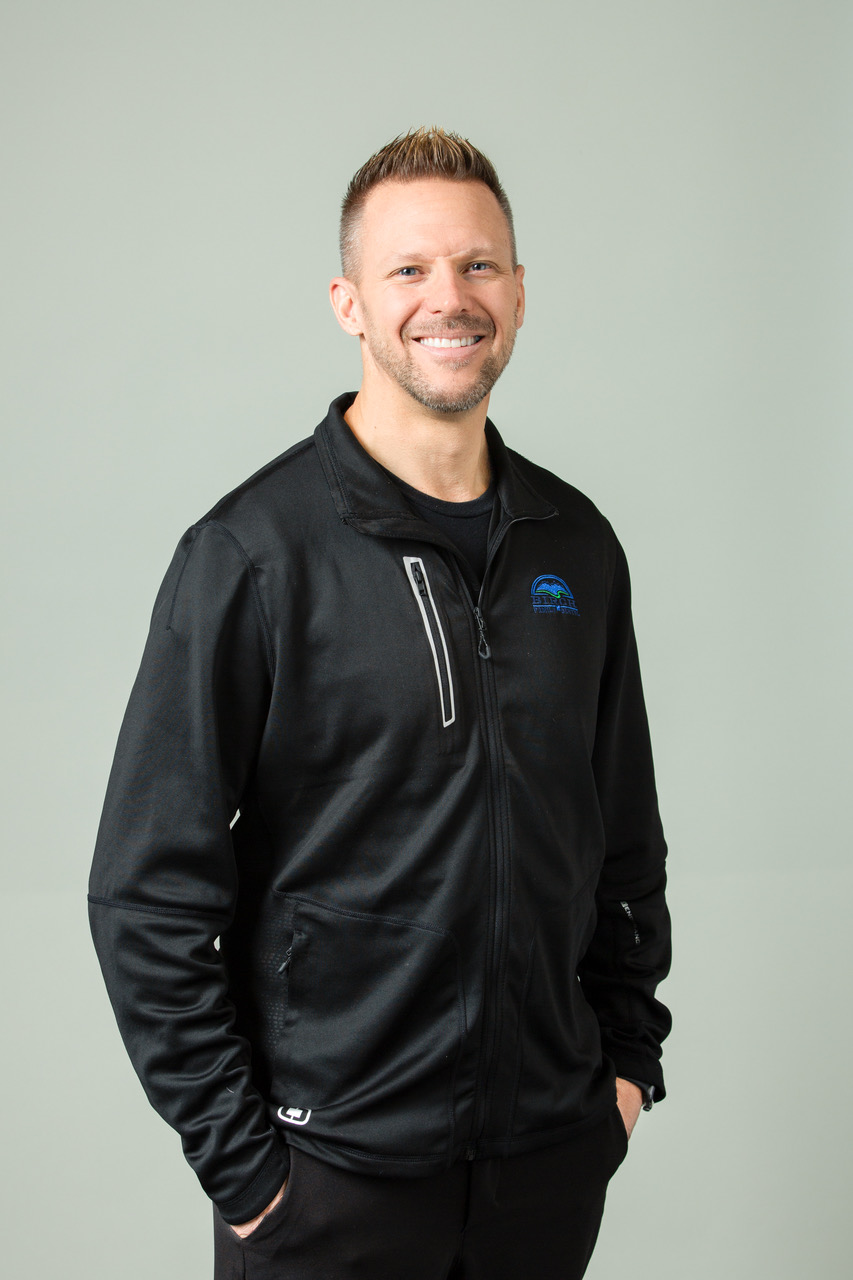
At Birch Family Dental in Green River, WY, our oral surgery team, led by Dr. Bryant Birch, provides dental implant care from the first consultation through the final restoration. We have placed well over 800 implants, and Dr. Birch places and restores them in-house, so you do not need a referral to another office. Our practice has served the Green River community since 1973, and we offer sedation through a certified nurse anesthetist.
How Dental Implants Work
A dental implant system has three parts. The titanium implant post acts as an artificial tooth root and is placed in the jawbone, where it fuses with the bone through a process called osseointegration. The abutment connects the post to the visible restoration, and the custom crown, bridge, or denture becomes the part you bite with.
The U.S. Food and Drug Administration describes dental implants as medical devices placed surgically in the jaw to support replacement teeth such as crowns, bridges, or dentures. Our office uses digital x-rays and a cone beam CT scanner to plan treatment, so Dr. Birch can check your bone before placement begins.
Dental Implant Options at Birch Family Dental
We offer implant solutions for several situations, so your treatment fits the number of teeth you need to replace.
Single Tooth Dental Implants
Single tooth dental implants replace one missing tooth without relying on the neighboring teeth for support. A traditional bridge requires shaping the teeth on either side, while a single implant stands on its own. One titanium post is topped with a custom crown.
Mini Dental Implants
Mini dental implants use smaller-diameter posts and can help patients with limited bone or those who want a less invasive option. They are often used to stabilize lower dentures or replace teeth in narrow spaces.
All-on-4 Dental Implants
All-on-4 dental implants use four strategically placed implants to support a full arch of replacement teeth. This fixed, non-removable option is for patients who are missing most or all of the teeth in an arch. Our article on hybrid All-on-X implants explains how a full smile restoration works.
Full Mouth Dental Implants
Full mouth dental implants replace teeth in both arches. Using multiple implants per arch, this approach is designed to give you a stable, customized restoration that supports eating, speaking, and smiling. Our team performs all-on-5, all-on-6, and full-arch surgeries in-house, so patients do not have to travel out of state.
Implant-Supported Dentures
Implant-supported dentures use a small number of implants as anchor points so the denture stays in place. This option sits between traditional dentures and full mouth implants.
Same-Day Implant Options
Some patients qualify for immediate loading, where a temporary restoration is placed on the same day as the implant. Immediate loading is not right for everyone, and it depends on your bone and overall health. Our complete guide to immediate load implants covers how it works, and our comparison of CEREC crowns and immediate load implants explains what same-day really means.
Who Is a Good Candidate for Dental Implants?
Many adults in good general health can be candidates for dental implants. At your consultation, we review your jawbone, gums, bite, and overall health. The FDA notes that overall health affects candidacy, healing time, and how long an implant lasts.
Some conditions need attention first. Untreated gum disease is a risk and should be treated before placement. The FDA also notes that smoking may affect the healing process and decrease the long-term success of an implant, and that infection-related implant failure may be more likely in patients with uncontrolled diabetes. If you do not have enough bone, bone grafting can rebuild the area so an implant has a stable base.
What to Expect From the Implant Process
Every case is different, and we give you a personalized timeline at your consultation. Our guide to the dental implant placement process walks through each step.
Consultation and Treatment Planning
We review your dental and medical history, examine your mouth, and take imaging. We talk through your goals, answer your questions, and build a treatment plan with a cost estimate and a look at your financial options.
Implant Placement
The titanium post is placed in your jawbone under local anesthesia or sedation. Deep sedation is available through our certified nurse anesthetist. Placing multiple implants takes longer than placing a single implant.
Healing and Osseointegration
After placement, the implant needs time to fuse with the surrounding bone. We may provide a temporary restoration during healing, and we monitor your progress at follow-up visits.
Final Restoration
Once the implant has integrated, we attach the abutment and create your final crown, bridge, or denture to match your natural teeth in color, shape, and size. Because Dr. Birch restores implants in-house, you stay with one team for the whole process. We also use digital scanning instead of traditional impression material, and our in-office 3D printer lets us produce items on-site.
Dental Implant Costs and Financing
Implant costs in Green River depend on how many teeth you are replacing, whether bone grafting is needed, and the type of restoration. Because every plan is different, we give you a detailed cost estimate at your consultation. We accept most dental insurance plans and offer financing through CareCredit and Proceed Finance, and our team can help you review your benefits.
Why Choose Birch Family Dental for Dental Implants?
Our implant patients get care that stays under one roof:
- Well over 800 implants placed
- Implant surgery and restoration performed in-house by Dr. Birch
- Deep sedation available through our certified nurse anesthetist, the only practice in the area with one
- All-on-5, all-on-6, and full-arch surgeries without traveling out of state
- Serving the Green River community since 1973
- Financing options and Se habla Español
Caring for Your Dental Implants
Caring for implants is much like caring for natural teeth. Brush twice daily with a soft-bristle toothbrush, floss or use interdental brushes around the crown, and keep up with regular dental visits so we can check the implant and the bone around it. Avoid chewing ice or using your teeth as tools. If you grind your teeth at night, a custom nightguard can help protect your implants and natural teeth. Our guide to caring for your dental implants has more everyday tips.
Dental Implants for Rock Springs and Manila Patients
We welcome implant patients from nearby communities. If you live in Rock Springs, see our page on dental implants in Rock Springs, WY. If you live in Manila, UT, see our page on dental implants in Manila, UT.
Schedule Your Dental Implant Consultation
Missing teeth can affect how you eat, speak, and feel about your smile. A consultation at Birch Family Dental is the first step toward finding the right implant option. We will evaluate your candidacy, review your choices, and answer your questions.
Ready to get started? Send us a message through our contact form to schedule your implant consultation with Dr. Birch.
Frequently Asked Questions About Dental Implants
How much do dental implants cost in Green River, WY?
Dental implant costs depend on your treatment needs, including how many teeth you are replacing, whether bone grafting is needed, and the type of restoration. During your consultation, we give you a detailed cost breakdown for your treatment plan. We accept most dental insurance plans and offer financing through CareCredit and Proceed Finance, and our team can help you review your benefits.
How long does the dental implant process take from start to finish?
The implant process happens in stages, and the total time depends on your healing and on whether you need extra procedures such as bone grafting. After the implant post is placed, it needs time to fuse with your jawbone before we attach the abutment and your final restoration. Some patients qualify for immediate loading, where a temporary restoration is placed on the same day as the implant, though this is not right for every patient. During your consultation, we give you a personalized timeline based on your situation.
What's the difference between regular dental implants and All-on-4 implants?
Traditional dental implants replace individual teeth or small groups of teeth, usually with one implant per tooth or every two teeth. All-on-4 dental implants use four strategically placed implants to support an entire arch of replacement teeth, which makes them a more efficient option for patients missing most or all of the teeth in one arch. Traditional implants offer more flexibility for partial tooth loss, while All-on-4 addresses complete or near-complete tooth loss. Your best option depends on how many teeth you are replacing and on your bone structure, and we help you decide during your consultation.
Are dental implants better than dentures or bridges?
Dental implants offer several advantages over removable dentures and fixed bridges. Unlike dentures that rest on your gums and can slip while you eat or speak, implants anchor in your jawbone for added stability. Compared to bridges, implants do not require shaping the adjacent healthy teeth for support, because each implant stands on its own. Implants also involve a higher initial investment and a multi-month process, and they are designed for long-term use. Your dentist can talk through how each option fits your needs and budget.
Can smokers get dental implants successfully?
Smoking may affect the healing process and decrease the long-term success of an implant, according to the FDA, but it does not automatically disqualify you from treatment. Nicotine restricts blood flow to healing tissues, which can slow healing. We recommend stopping all tobacco use before implant placement and avoiding it while you heal. Patients who cannot quit should know the risks are higher and may need extra follow-up appointments to monitor healing. During your consultation, we discuss ways to improve your chances of success.