
Medically Reviewed by Dr. Bryant Birch, DDS on August 10, 2026
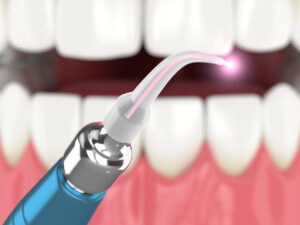 Advanced dental technology continues to revolutionize how we care for our patients, and Waterlase laser technology represents one of the most significant breakthroughs in modern dentistry. This innovative system uses the power of water, air, and laser energy to perform a wide range of dental procedures with greater precision, comfort, and faster healing times than traditional methods.
At Birch Family Dental, we’re committed to providing our patients with the most advanced and comfortable dental care available. That’s why we’ve invested in Waterlase technology to enhance your treatment experience and deliver superior results for your oral health.
What Makes Waterlase Technology Special
Waterlase technology combines laser energy with water and air to create a precise cutting tool that can work on both hard and soft tissues in your mouth. Unlike traditional dental drills, Waterlase often eliminates the need for anesthesia in many procedures because it generates minimal heat, pressure, and vibration. This revolutionary approach allows us to perform treatments that are more comfortable and less invasive than conventional methods.
The system works by using a specific wavelength of laser light, known as Er,Cr:YSGG, that is highly absorbed by water. Since your teeth and gums contain water, the laser energy is absorbed efficiently, allowing for precise removal of decay or diseased tissue while preserving healthy surrounding areas. This targeted approach means less trauma to your mouth and faster healing times. Waterlase technology is FDA-cleared for more than 80 dental procedures, spanning cavity preparation, periodontal therapy, root canal disinfection, and a variety of soft-tissue treatments.
Laser Bacterial Reduction for Enhanced Preventive Care
One of the most valuable applications of our Waterlase technology is laser bacterial reduction, which we perform before your regular cleaning appointments. This advanced procedure uses laser energy to eliminate harmful bacteria that traditional cleaning methods might miss, particularly in hard-to-reach areas around your gum line and between teeth.
During laser bacterial reduction, the gentle laser energy penetrates below the gum line to target and eliminate bacteria that contribute to gum disease, tooth decay, and bad breath. This process is completely painless and takes just a few minutes to complete. By removing these harmful bacteria before your cleaning begins, we create an optimal environment for your hygienist to perform a more thorough and effective cleaning.
How Waterlase Compares to Traditional Dental Drills
Traditional dental drills remove tooth structure through friction and pressure, which generates heat and vibration that many patients find uncomfortable. Waterlase instead uses laser energy absorbed by water in the tissue itself, so it cuts with minimal heat or mechanical pressure. A peer-reviewed systematic review published on PubMed Central found that Er,Cr:YSGG laser preparation can reduce microleakage around fillings compared to conventional drilling in certain cavity types, supporting tighter, more durable restorations.
Because the laser can precisely target diseased tissue while sparing healthy structure nearby, many patients need less anesthesia and experience less post-procedure sensitivity. The tradeoff is that not every procedure is suited to laser treatment. Your dentist will recommend whichever tool, laser or drill, is best suited to your specific treatment for the most predictable outcome.
Key Benefits of Waterlase for Your Dental Health
Waterlase technology offers numerous advantages over traditional dental methods. One of the most significant benefits is the reduced need for anesthesia in many procedures. The precise nature of the laser means less discomfort during treatment, and many patients find they don’t need numbing injections for routine procedures.
Recovery time is typically faster with Waterlase treatments because the laser promotes natural healing and causes less trauma to surrounding tissues. The antimicrobial properties of the laser also help reduce the risk of infection, leading to better overall treatment outcomes. Additionally, the precision of Waterlase allows us to preserve more of your natural tooth structure during procedures, which is always our goal.
The technology also enables us to perform multiple procedures in a single visit that might otherwise require separate appointments. This convenience saves you time and reduces the number of visits needed to complete your treatment plan.
Conditions We Treat with Waterlase
Our Waterlase system allows us to address a wide variety of dental conditions with enhanced precision and comfort. We use it for cavity preparation and filling placement, where the laser can remove decay while preserving healthy tooth structure. Gum disease treatment is another area where Waterlase excels, as it can eliminate bacteria and infected tissue while promoting healing of the gums.
Root canal procedures benefit significantly from laser technology, as the antimicrobial properties help ensure thorough disinfection of the tooth’s interior. We also use Waterlase for crown lengthening procedures, frenectomy treatments, and various soft tissue procedures that traditionally required more invasive techniques. To see how laser technology fits into a broader range of treatments, take a look at the additional benefits of laser dentistry for restorative and cosmetic care.
The versatility of Waterlase means we can often complete complex treatments more efficiently and with greater precision than conventional methods would allow.
Is Waterlase Right for Every Patient?
Most patients are good candidates for Waterlase treatment, since it is generally gentler than traditional instruments. However, the right tool for any given procedure depends on the size, depth, and location of the area being treated. Very large cavities, certain complex restorations, or procedures involving significant amounts of tooth structure may still call for traditional methods alongside laser technology.
During your exam, we evaluate the specific treatment you need and let you know whether Waterlase is a good fit. Patients who feel anxious about dental drills, have sensitive teeth, or want to minimize the need for anesthesia often find Waterlase to be a welcome option. If you would like to understand more about how the technology itself works, you can also read our detailed breakdown of how Waterlase reduces pain during dental procedures or see how Waterlase compares to other BIOLASE systems.
What to Expect During Your Waterlase Treatment
When you receive treatment with our Waterlase system, you’ll notice the difference immediately. The procedure typically begins with a brief explanation of what to expect, though most patients are pleasantly surprised by how comfortable the process feels. You may hear a gentle spraying sound as the laser works with water and air, but there’s no vibration or pressure like you might experience with traditional dental drills.
Many patients report feeling only a slight warming sensation during treatment, and some don’t feel anything at all. Because the laser is so precise, procedures often take less time than traditional methods. After treatment, you’ll likely experience minimal discomfort and can usually return to your normal activities immediately.
Your healing process will typically be faster and more comfortable than with conventional treatments. We’ll provide you with specific aftercare instructions, though these are often simpler than what’s required after traditional procedures.
Experience Advanced Dental Care at Birch Family Dental
At Birch Family Dental, we believe that combining advanced technology with compassionate care creates the best possible experience for our patients. Our Waterlase system represents our commitment to staying at the forefront of dental technology while maintaining the personal, family-centered approach that has made us Green River’s trusted dental practice since 1973.
Dr. Bryant Birch and Dr. Tate Anderson have extensive experience with laser dentistry and are dedicated to ensuring you receive the most comfortable, effective treatment possible. Our team is well-trained in Waterlase procedures and will be happy to answer any questions you have about how this technology can benefit your specific dental needs. To learn more about Waterlase technology and how it can enhance your dental care experience, contact Birch Family Dental at (307) 875-3658 or visit our contact page to schedule your appointment.
Frequently Asked Questions About Waterlase
Is Waterlase Safe?
Yes. Waterlase technology has been FDA-cleared for dental use since 1998 and is cleared for more than 80 specific procedures. Because it targets tissue with a precise wavelength of laser light rather than mechanical friction, it typically causes less trauma to surrounding structures than traditional instruments.
Does Waterlase Really Eliminate the Need for Anesthesia?
For many routine procedures, patients do not need numbing injections because the laser generates minimal heat, pressure, and vibration. Some more involved treatments may still call for local anesthesia, and your dentist will let you know what to expect before your specific procedure begins.
What Procedures Can Waterlase Be Used For?
Waterlase can be used for cavity preparation and fillings, gum disease treatment, root canal disinfection, crown lengthening, frenectomy procedures, and a range of other soft-tissue treatments. Its versatility allows many patients to complete multiple procedures in a single visit.
Is Waterlase More Expensive Than Traditional Dental Treatments?
Cost varies by procedure rather than by the tool used to perform it, and many dental insurance plans cover laser treatments the same way they cover the traditional equivalent. Our team can review your specific treatment plan and insurance benefits with you before your appointment.
How Do I Know If Waterlase Is Right for My Treatment?
During your exam, your dentist evaluates the size, depth, and location of the area needing treatment to determine whether Waterlase or a traditional method is the better fit. Many routine procedures are well suited to laser treatment, while some larger or more complex cases may still require conventional tools.
ABOUT THE AUTHOR
Practice Owner
Dr. Bryant Birch is a graduate of Creighton University’s School of Dentistry (DDS, 2006) and the owner of Birch Family Dental, where he and Dr. Tate Anderson use Waterlase laser technology to treat patients throughout Green River, Wyoming.