
Medically Reviewed by Dr. Bryant Birch, DDS on August 10, 2026
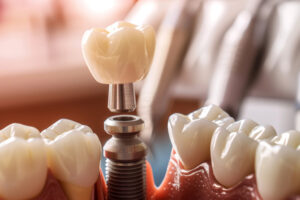 Having one or more missing teeth can make it difficult to eat, speak, and feel confident in your smile, but with solutions like dental implants, you can improve your smile’s appearance and your quality of life. Dental implants are small titanium posts that replace tooth roots. They are topped with a restoration, like a crown, bridge, or denture, to create a natural-looking, long-lasting solution that boosts your confidence and restores your oral health and functionality.
At Birch Family Dental, we have proudly provided Wyoming patients with high-quality dental services since 1973. Our trusted team is surgery-driven and has completed well over 800 implants, so you can better understand the dental implant process, including preparation, sedation, placement, and recovery, and know what to expect. We work closely with you from the beginning to develop a personalized treatment plan that helps meet your goals and achieve the smile you deserve.
5 Steps of the Dental Implant Process
Our caring specialists understand dental procedures, like implants, can be intimidating, so we explain every step of the process and answer your questions to help you feel informed and prepared. We understand every patient has unique needs and preferences, so we consider these factors when going through the following stages of the dental implant process:
Consultation
Before the procedure, we discuss your health history, goals, and personal preferences. We also conduct a careful examination, often including digital imaging, to determine if implants are right for you. If you do not have sufficient jawbone density to support an implant, we may discuss whether bone grafting is needed to build a stronger foundation first. We also review your medications and sedation options for a smooth, comfortable procedure.
Anesthesia
If you qualify for dental implants, we begin the procedure by administering local anesthesia to the gums. If you have more serious dental anxiety or other concerns, you may opt for sedation. Throughout your procedure, we ensure you are comfortable and relaxed.
Incision and Jaw Preparation
Once you feel comfortable, we make a small incision in the gums where your implant will go to expose the jawbone underneath where the implant will be placed. Then, we create an opening in the jawbone wide enough for the implant to fit.
Implant Placement and Restoration
We carefully place the implant into the jaw, reposition your gums, and close the incision. The implant then needs time to fuse with the surrounding bone through a process called osseointegration, which typically takes three to six months. During this healing phase, we place a temporary restoration, such as a crown, bridge, or denture, on top. Once healed, we provide the permanent restoration for a seamless, natural look. Some patients qualify for immediate load implants, which allow a temporary tooth to be attached the same day as placement rather than waiting through the full healing period.
Recovery
You can care for implants like you care for your natural teeth. Brushing twice, flossing once daily, and getting regular cleanings help maintain your implant for many years. However, immediately after the procedure, you should avoid strenuous exercise for the first few days and chew on the other side of your mouth.
Most people return to work, school, and other normal activities after three days, using over-the-counter or prescribed medication to manage discomfort. We schedule follow-ups to check on the healing process and let you know when you are ready for your permanent restoration.
Who Is a Good Candidate for Dental Implants?
Most healthy adults with one or more missing teeth are candidates for dental implants, but a few factors help determine whether implants are the right fit. Good candidates typically have healthy gums free of active periodontal disease and enough jawbone density to support and stabilize the implant post. Patients who smoke, have uncontrolled diabetes, or have certain autoimmune conditions may face a longer healing timeline, since these factors can affect how well the bone integrates with the implant.
We also look at how many teeth need to be replaced. A single missing tooth may only require one implant and crown, while patients missing several teeth or an entire arch may be better suited to a bridge supported by multiple implants or a full-arch solution like hybrid All-on-X implants. During your consultation, we review your dental and medical history, take digital images of your jaw, and discuss your goals so we can recommend the option most likely to succeed for your specific situation.
What Are the Benefits of Dental Implants?
If your tooth loss is interfering with your quality of life and self-esteem, dental implants may be right for you. At Birch Family Dental, our dental implant services offer a wide range of patient benefits, including the following:
- Improved Speaking and Chewing Ability: Missing teeth can make it hard to chew and speak. Implants can restore your oral functionality, making these basic tasks much easier.
- Enhanced Appearance: Implants can fill in gaps in your smile where your teeth have fallen out or broken, enhancing your smile’s appearance and making your face look fuller and more youthful.
- Secure Solution: Bridges and dentures fit securely on implants for a stable fit. This prevents you from worrying about slipping, which can occur with traditional restorations.
- Protect Natural Teeth: With dental implants, you do not have to shave down your neighboring teeth, which you often have to do for crowns and bridges.
- Long-Lasting Results: Dental implants are one of the most durable solutions for tooth loss. With the proper care and maintenance, they can last many years. However, the restoration attached to the implant will need to be replaced at some point.
The pressure created when chewing helps stimulate the jawbone to promote healthy bone density. When teeth are lost, the jawbone can weaken, leading to tissue loss. Because implants replace the tooth root and fuse with the jawbone, they prevent bone loss and help stimulate growth.
How Long Do Dental Implants Last?
Dental implants are known for their durability, and clinical outcomes support that reputation. Cleveland Clinic’s Head and Neck Institute reports an overall success rate of about 95% for implant integration, and with consistent home care and routine dental visits, many implants function well for decades.
The restoration attached to the implant, such as a crown, may eventually need to be replaced due to normal wear, but the titanium post itself typically does not need to be redone. Keeping up with biannual cleanings allows us to monitor the health of the gum and bone tissue around your implant and catch any early signs of concern, such as peri-implant inflammation, before they become larger problems.
Dental Implants vs. Bridges and Dentures
Patients considering tooth replacement often want to know how implants compare to more traditional options. Bridges and dentures can restore the appearance of a full smile, but they rest on top of the gums or attach to neighboring teeth rather than replacing the tooth root. Over time, this can allow the underlying jawbone to shrink from lack of stimulation, and removable dentures may shift or require adhesives to stay in place.
Dental implants address both concerns by anchoring directly into the jawbone. For patients who are missing most or all of their teeth, options like same-day immediate load implants can also shorten the overall treatment timeline compared to conventional implant placement. We are glad to walk you through the advantages and considerations of each option based on your oral health, budget, and goals.
Learn More About Dental Implants in Wyoming With the Knowledgeable Team at Birch Family Dental
At Birch Family Dental, we have been dedicated to providing exceptional dental care since 1973. Our extensive experience, with over 800 implants completed, ensures you receive top-notch treatment tailored to your unique needs. We guide you through every step of the dental implant process, from initial consultation to recovery, ensuring your comfort and satisfaction.
Our surgery-driven team uses the latest techniques to provide effective and lasting solutions for tooth loss. With our personalized approach, we aim to restore your smile’s function and appearance. Contact us today at (307) 875-3658 or visit our contact form to schedule your appointment.
Frequently Asked Questions About Dental Implants
How Long Does the Entire Dental Implant Process Take?
A conventional dental implant timeline generally runs three to six months from placement to final restoration, since the implant needs time to fuse with the jawbone. If bone grafting is required beforehand, the process can take several months longer. Some patients qualify for immediate load implants, which shorten the timeline by allowing a temporary tooth the same day as placement.
Are Dental Implants Painful?
Most patients report only mild soreness after implant placement, which typically improves within a few days and can be managed with over-the-counter or prescribed medication. Local anesthesia or sedation keeps you comfortable during the procedure itself, and most people return to normal activities within a few days.
Can I Get a Dental Implant If I Have Bone Loss?
Bone loss does not automatically rule out dental implants. In many cases, a bone graft can rebuild enough density in the jaw to support an implant. During your consultation, we evaluate your bone structure with digital imaging to determine whether a graft is needed or whether an alternative implant approach may work for your situation.
How Do I Care for a Dental Implant After It Heals?
A healed dental implant is cared for much like a natural tooth. Brushing twice daily, flossing once a day, and keeping up with regular cleanings and checkups help protect the gum and bone tissue around the implant. Routine visits also allow us to catch early signs of gum inflammation around the implant before they progress.
Can Dental Implants Replace More Than One Missing Tooth?
Yes. Depending on how many teeth are missing, we may recommend an implant-supported bridge or a full-arch solution that uses a smaller number of implants to support an entire row of replacement teeth. Your dentist can review your options during a consultation based on your bone density and overall oral health.
ABOUT THE AUTHOR
Practice Owner
Dr. Bryant Birch is a graduate of Creighton University’s School of Dentistry (DDS, 2006) and the owner of Birch Family Dental, where he and his team have placed well over 800 dental implants for patients throughout Green River, Wyoming.