Medically Reviewed by Dr. Bryant Birch, DDS on August 10, 2026
If you’re considering a dental implant, your dentist may recommend a bone graft beforehand to ensure a strong foundation for the implant. Bone grafting is often necessary when there has been significant bone loss in the jaw, which can occur due to gum disease, tooth loss, or trauma. Without enough healthy bone, the implant may not have the support it needs to properly anchor, leading to complications down the road.
At Birch Family Dental, we evaluate each patient to determine whether bone grafting is needed before implant placement. Our team uses advanced technology to assess the condition of your jawbone and, if necessary, will perform a bone graft to rebuild the area. This ensures your implant will have a stable base, promoting long-term success and restoring both your smile and oral function.
Who Makes a Good Candidate for Bone Grafting?
Bone grafting is typically recommended for individuals who have experienced significant bone loss in the jaw and are planning to get dental implants. A good candidate for bone grafting is someone with healthy overall oral hygiene but lacks sufficient bone density to support an implant. This bone loss can result from prolonged tooth loss, gum disease, or trauma. Without adequate bone volume, the implant may not fuse properly with the jaw, which can affect the long-term success of the procedure. Bone grafting helps regenerate lost bone, providing a stable foundation for future implants.
Additionally, good candidates for bone grafting should be in generally good health, as the healing process requires a strong immune system. Conditions such as uncontrolled diabetes or certain autoimmune diseases may impact the body’s ability to heal properly, making bone grafting less successful. It’s also important that the patient is committed to maintaining excellent oral hygiene and regular dental check-ups, as these are essential for the long-term success of both the bone graft and the implant. At Birch Family Dental, we carefully assess each patient’s oral health and medical history to determine if bone grafting is the right step for their dental implant journey.
Types of Bone Graft Material We Use
Not every bone graft uses the same material, and the right choice depends on the size of the defect and your overall oral health. According to Cleveland Clinic, graft material can come from a few different sources, each with its own advantages:
- Autograft: Bone taken from another area of your own body, often the jaw or hip. Because it comes from you, autografts integrate well and carry no risk of rejection.
- Allograft: Processed bone from a human donor, sourced through a certified tissue bank. Allografts are thoroughly screened and provide a reliable scaffold for new bone growth without requiring a second surgical site.
- Xenograft: Bone material derived from an animal source, most commonly bovine. Xenografts are processed to be biocompatible and act as a framework your body gradually replaces with its own bone.
- Synthetic Graft: Man-made material, such as calcium phosphate, that mimics the mineral structure of natural bone. Synthetic options eliminate the need for a donor source entirely.
We discuss which type of graft material best suits your case during your consultation, taking into account the location and size of the bone loss, your health history, and your comfort level with each option.
Breaking Down the Bone Grafting Process
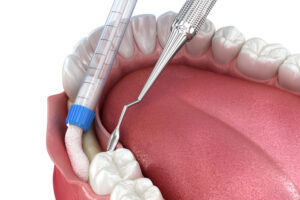
The bone grafting process begins with a thorough examination of your jaw to determine the extent of bone loss. Using advanced imaging technology, your dentist will assess the bone structure and decide on the type of graft material that will best suit your needs. Once the area is prepared, the dentist will place the bone graft material in the targeted area of your jaw to stimulate bone regeneration. In many cases, the graft will be secured with a membrane or small pins to ensure it stays in place during the healing process.
After the bone graft is placed, the healing period begins. Over the next few months, your body will gradually integrate the graft material, forming new bone and strengthening the area. Depending on the size and location of the graft, healing can take several months, and regular follow-up visits will be needed to monitor your progress. Once the graft has successfully fused with the natural bone, you’ll be ready for the next step in your dental implant journey. At Birch Family Dental, we guide you through every stage of the bone grafting process to ensure a smooth recovery and optimal results for your implant.
What to Expect During Bone Graft Recovery
Recovery timelines vary depending on the size of the graft and where it was placed, but most patients follow a similar general pattern. In the first one to two weeks, the surgical site heals at the surface level, and we typically recommend a soft diet along with gentle oral hygiene around the area. Mild swelling or tenderness during this window is common and usually manageable with over-the-counter pain relief.
Over the following weeks, early bone healing continues beneath the surface, and by the three-to-six-month mark, most grafts have integrated enough with the natural bone to support implant placement. Larger grafts or those involving the upper back jaw, such as a sinus lift, may take closer to the longer end of that range. We schedule follow-up visits throughout this period to confirm the graft is healing as expected before moving forward with your implant.
Are There Alternatives to Bone Grafting?
Bone grafting is the most predictable way to build a stable foundation for an implant, but it is not the only option in every case. Patients with mild bone loss may be candidates for shorter or narrower implants that require less bone depth. For patients missing most or all of their teeth, full-arch solutions like hybrid All-on-X implants are sometimes designed to make use of the denser bone that remains toward the front of the jaw, which can reduce or eliminate the need for grafting in select cases.
Whether an alternative approach is appropriate depends on your specific bone structure and treatment goals. Our team reviews digital imaging of your jaw during your consultation to help determine whether grafting, an alternative implant technique, or a combination of both will give you the most predictable, long-lasting result.
Ready for a Dental Implant? Let Birch Family Dental Help You Today
At Birch Family Dental, we understand that the decision to undergo bone grafting and dental implants can feel overwhelming. Our experienced team is here to ensure that you receive the highest quality care throughout the entire process. Whether you need bone grafting or are ready for your implant, we’ll create a personalized treatment plan tailored to your specific needs to restore your smile and confidence.
Don’t let bone loss keep you from the smile you deserve. Contact us today to learn more about your bone grafting and dental implant options. Call (307) 875-3658 or reach out through our contact form to schedule your consultation.
Frequently Asked Questions About Bone Grafting
How Do I Know if I Need a Bone Graft Before an Implant?
Your dentist will take digital images of your jaw during your implant consultation to measure bone height and width in the area where the implant will go. If there is not enough bone volume to support and stabilize the implant long term, a bone graft is typically recommended before moving forward with placement.
Is Bone Grafting Painful?
Bone grafting is typically performed using local anesthesia, so patients do not feel pain during the procedure itself. Afterward, mild soreness or swelling at the graft site is common for a few days and can usually be managed with over-the-counter pain medication and a soft diet.
How Long Do I Have to Wait Between a Bone Graft and My Implant?
Most patients wait three to six months for the graft to fully integrate with the natural bone before implant placement. Larger grafts or those in the upper back jaw may take closer to the longer end of that range. We monitor your healing with follow-up visits to confirm the graft is ready before scheduling your implant.
Will My Body Reject the Bone Graft Material?
Donor, animal-derived, and synthetic graft materials used in dentistry are processed and screened specifically to be biocompatible, so rejection is uncommon. Your own bone, when used, carries no rejection risk at all. Your dentist will review the best material for your case based on your health history and the size of the graft needed.
Can I Avoid Bone Grafting Altogether?
In some cases, patients with mild bone loss may qualify for shorter implants or a full-arch approach that uses denser areas of the jaw, which can reduce or eliminate the need for grafting. Whether this is an option depends on your bone structure and treatment goals, which we evaluate during your consultation.
ABOUT THE AUTHOR
Practice Owner
Dr. Bryant Birch is a graduate of Creighton University’s School of Dentistry (DDS, 2006) and the owner of Birch Family Dental, where he and his team evaluate and treat bone loss before implant placement for patients throughout Green River, Wyoming.