
Medically Reviewed by Dr. Bryant Birch, DDS on August 10, 2026
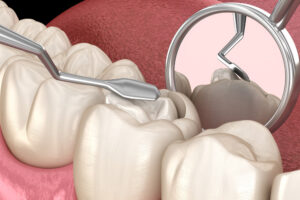 A healthy smile isn’t just a confidence booster but rather a vital step in achieving long-term overall health. Restorative dentistry plays a crucial role in this step by enhancing and maintaining the health of your teeth and gums. It does this by repairing damaged, decayed, or extracted teeth through a wide range of dental procedures. By addressing oral health issues early, restorative dentistry helps prevent more severe problems like infections, tooth loss, or jawbone deterioration. This early prevention is essential in building life-long success in both your dental and overall well-being.
At Birch Family Dental, we know how important it is to address oral health issues before they worsen. Whether it’s a small cavity, a cracked tooth, or missing teeth, our restorative dentistry services are designed to repair and protect your smile, preventing more serious complications in the future. By combining advanced technology with a patient-first approach, we ensure your treatment is comfortable, effective, and tailored to your unique needs. Our team is committed to helping you maintain a strong, healthy smile that lasts a lifetime, all from the convenience of our Green River office.
What Is Restorative Dentistry?
Restorative dentistry plays a major role in repairing and maintaining the function, health, and appearance of damaged or missing teeth. Compared to cosmetic dentistry, which focuses mainly on the appearance of the teeth, restorative dentistry’s primary goal is to improve function and provide structural support. According to Cleveland Clinic, the two categories often overlap, since a treatment like a crown can restore chewing function while also improving how a tooth looks. Some of the most common restorative dental treatments include:
- Fillings: A tooth-colored or metal material placed in a tooth after decay is removed, restoring the tooth’s shape and stopping further damage.
- Inlays and Onlays: A custom-made filling, often made of porcelain or composite, used when a cavity is too large for a standard filling but not large enough to need a full crown.
- Dental Bonding: A tooth-colored resin applied and shaped to repair small chips, cracks, or gaps.
- Crowns: A cap that covers a damaged or weakened tooth entirely, often used after a root canal or on a tooth with extensive decay.
- Bridges: A fixed restoration that fills the gap left by one or more missing teeth, anchored to the neighboring teeth or implants.
- Dental Implants: A titanium post that replaces a missing tooth’s root, topped with a crown, bridge, or denture. Learn more about the dental implant process and its benefits in more detail.
- Dentures: A removable appliance that replaces some or all of the teeth in an arch.
- Root Canals: A procedure that removes infected or inflamed tissue from inside a tooth to save it from extraction.
By addressing the root cause of a dental problem early, restorative dentistry is able to prevent more extensive damage from happening down the road. This early detection and treatment is essential in maintaining the natural structure of the teeth while also improving both your oral health and overall long-term health.
How We Decide Which Restorative Treatment Is Right for You
Not every restorative issue calls for the same solution, and matching the right treatment to the right problem is part of what makes restorative dentistry effective. A small area of decay caught early may only need a simple filling, while a tooth with a large cavity or a crack that extends below the surface often needs a crown for lasting structural support. When decay or infection reaches the inner pulp of a tooth, a root canal followed by a crown can save the tooth rather than requiring an extraction.
For missing teeth, the right replacement depends on how many teeth are missing, the condition of the surrounding bone and gums, and your personal preferences. A single gap may be filled with an implant and crown or a bridge, while patients missing several teeth may benefit more from a partial denture, an implant-supported bridge, or a full denture. During your exam, we use digital imaging and a thorough evaluation of your bite to recommend the option most likely to hold up well over time.
The Role of Restorative Dentistry in Maintaining Long-Term Oral Health
Many common dental issues can be fixed through restorative procedures. From improved function to reduced pain and discomfort, restorative dentistry is a vital branch of dentistry that is necessary in maintaining optimal oral health. For example, eating and speaking without limitations is crucial to your quality of life. Some other essential benefits of restorative dentistry that are essential in maintaining long-term oral health include the following:
- Preserves the natural teeth: Restorative procedures like fillings, crowns, and root canals preserve the natural tooth structure. When tooth decay or damage is caught early enough to be treated through one of these methods, the tooth is less likely to need to be extracted.
- Prevents future damage: When a dental issue goes untreated, it can often lead to more severe and costly problems over time. In some cases, untreated cavities or tooth decay can lead to abscesses that can cause more serious health issues.
- Improves oral hygiene practices: Often, patients who undergo restorative dental procedures become more invested in their dental health to maintain the results of their dental work. Restorative dentistry also includes educating patients on a quality oral care routine, including regular dental check-ups. This renewed investment in your oral health can lead to positive, long-lasting dental health.
- Reduces pain and discomfort: Many issues that need to be fixed through restorative dentistry, like cavities, damaged teeth, and gum disease, often cause pain and discomfort. Restorative dental procedures are designed to relieve this pain and improve your overall quality of life.
- Boosts self-confidence: While restorative dentistry is meant to improve functionality, the added bonus of enhanced appearance can lead to better self-confidence and a more aesthetically pleasing smile.
Investing in your dental health now can lead to life-long positive results and an increased quality of life. Untreated tooth decay and gum disease are also linked to broader wellness concerns, which is one more reason restorative care is considered a foundational part of general health, not simply a cosmetic convenience. To learn more about the restorative procedures we provide at Birch Family Dental and how these treatments can benefit your long-term oral health, please schedule an appointment.
What to Expect at a Restorative Dentistry Consultation
Your first restorative dentistry visit typically starts with a comprehensive exam, including digital x-rays, to evaluate the extent of any decay, damage, or bone loss. We discuss your symptoms, review your dental and medical history, and walk you through the treatment options that fit your specific situation, along with what each option involves in terms of appointments, healing time, and long-term care.
We know that dental anxiety can make it tempting to put off treatment, so we take time to answer your questions and explain each step before moving forward. Our goal is for you to leave your consultation with a clear understanding of your treatment plan and confidence in the path forward for your smile.
Why Choose Birch Family Dental for Restorative Dentistry?
At Birch Family Dental, we understand how important it is to restore your smile’s health and beauty. With years of experience serving families in Green River, Wyoming, our team is dedicated to providing restorative care personalized to fit your unique needs. From fillings and crowns to dental implants and dentures, we offer a broad spectrum of restorative procedures designed to repair damage, prevent further oral health issues, and help you maintain a confident, functional smile for years to come. Our use of state-of-the-art technology ensures precise and effective treatments, all delivered with a compassionate, patient-first approach.
Your long-term oral health is our primary focus, and we are here to guide you every step of the way. If you’ve been living with pain, discomfort, or damaged teeth, don’t wait any longer to take control of your dental health. Schedule a consultation with Birch Family Dental today to explore how our restorative dentistry services can improve your quality of life. Call us at (307) 875-3658 or visit our contact form to book your appointment. Let us help you rebuild your smile and protect your oral health for the future!
Frequently Asked Questions About Restorative Dentistry
What Is the Difference Between Restorative and Cosmetic Dentistry?
Restorative dentistry focuses on repairing damaged or missing teeth to restore function and structural support, while cosmetic dentistry focuses primarily on improving the appearance of a smile. Many treatments, such as crowns, offer both restorative and cosmetic benefits at the same time.
How Do I Know If I Need a Filling, a Crown, or a Root Canal?
The right treatment depends on how much of the tooth structure is affected. Small areas of decay are often treated with a filling, while larger cavities or cracks typically require a crown for structural support. If decay or infection has reached the inner pulp of the tooth, a root canal is usually needed before a crown can be placed.
Is Restorative Dentistry Covered by Dental Insurance?
Many dental insurance plans cover a portion of restorative treatments like fillings, crowns, and root canals, since these procedures are considered medically necessary rather than purely cosmetic. Coverage varies by plan and procedure, so our team can help you understand your benefits before treatment begins.
What Happens If I Delay Restorative Treatment?
Delaying treatment for decay or damage often allows the problem to spread, which can turn a simple filling into a need for a crown or root canal, or eventually lead to tooth loss. Addressing issues early is almost always simpler, less invasive, and more affordable than waiting until the problem becomes more serious.
How Long Do Restorative Treatments Like Crowns and Fillings Last?
With proper care, fillings typically last several years, and crowns often last a decade or longer. Good oral hygiene, avoiding excessive grinding, and keeping up with regular checkups all help extend the life of restorative work and catch any wear before it becomes a larger issue.
ABOUT THE AUTHOR
Practice Owner
Dr. Bryant Birch is a graduate of Creighton University’s School of Dentistry (DDS, 2006) and the owner of Birch Family Dental, where he and his team provide restorative dental care for patients throughout Green River, Wyoming.