Now Accepting New Patients!

The Benefits of Having an On-Site Nurse Anesthetist for Complex Oral Surgery

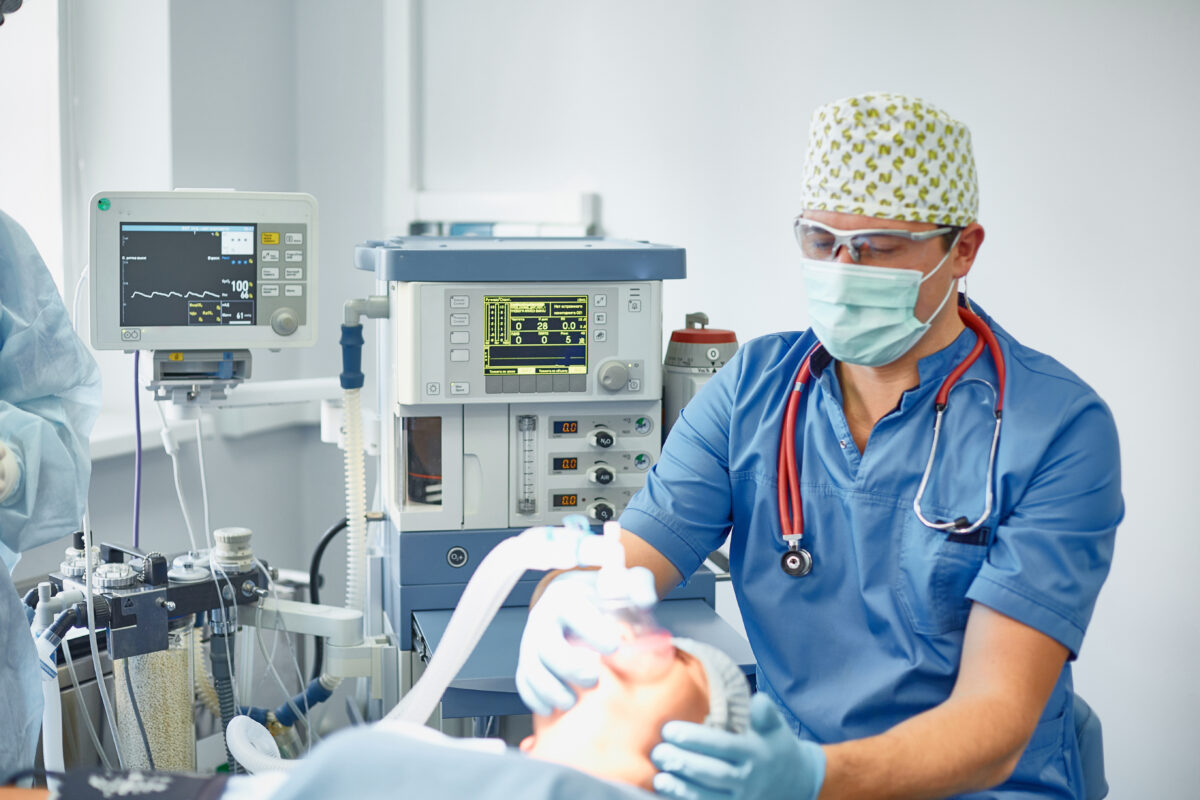
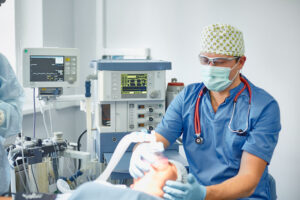
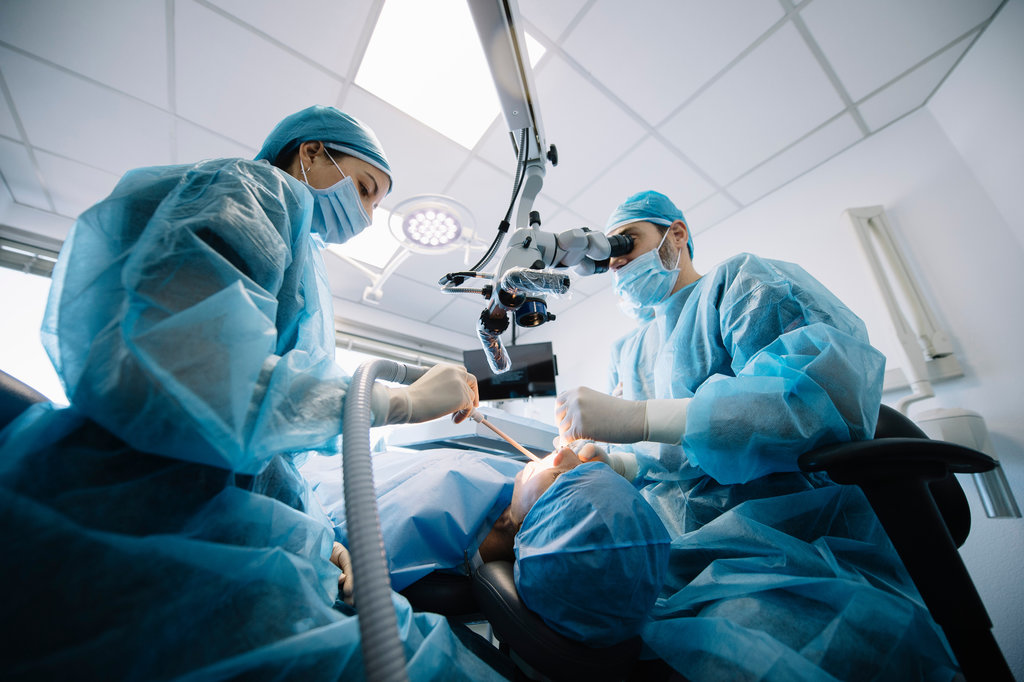
Several doctors surrounding patient on operation table during their work. Team surgeons at work in operating room.When facing the prospect of complex oral surgery, many patients experience anxiety about the procedure itself and the sedation process. The thought of undergoing extensive dental work can be overwhelming, particularly when it involves deep sedation or general anesthesia. Having peace of mind about your safety and comfort during these procedures is just as important as the surgical expertise performing the work.
At Birch Family Dental, Dr. Bryant Birch and Dr. Tate Anderson understand these concerns and have invested significantly in creating a surgical environment that prioritizes patient safety and comfort. The practice works with a certified registered nurse anesthetist (CRNA) who provides the same level of anesthesia care you would receive at a hospital or same-day surgery center. This collaborative approach allows patients in Green River to receive comprehensive oral surgery care without traveling hours to larger metropolitan areas.

Enhanced Safety Through Specialized Training and Certification

Certified registered nurse anesthetists bring extensive education and specialized training to dental surgical procedures. These advanced practice nurses must complete rigorous educational requirements, including a master’s degree or doctoral program in nurse anesthesia, and pass national certification examinations. Research demonstrates that CRNAs provide more than 40 million anesthetics annually in the United States, with studies showing no measurable differences in patient outcomes when anesthesia services are provided by CRNAs compared to other anesthesia providers.

The CRNA who works with Birch Family Dental holds the same certifications and licenses required for anesthesia administration in hospital settings, including same-day surgical centers where procedures like colonoscopies are performed. This means patients receive hospital-quality anesthesia care in the convenience of their local dental office. The practice has also obtained certification from the State of Wyoming as a sedation center, meeting stringent safety standards and protocols.

Dedicated Anesthesia Provider

One of the most significant benefits of having an on-site nurse anesthetist is the separation of responsibilities during surgery. The CRNA focuses exclusively on monitoring your sedation and vital signs, while Dr. Birch or Dr. Anderson concentrates entirely on the surgical procedure. According to the American Academy of Pediatrics and American Academy of Pediatric Dentistry guidelines, when deep sedation or general anesthesia is employed in a dental setting, a separate anesthesia provider such as a certified registered nurse anesthetist should administer the anesthesia while another practitioner renders dental care. This team-based approach ensures that both aspects of your care receive undivided attention from highly trained professionals.

The anesthesia professional handles all sedation-related tasks, from the initial pre-operative phone consultation through recovery monitoring. This dedicated attention means your airway management, vital sign monitoring, and sedation depth adjustments are handled by someone whose sole responsibility is your safety and comfort throughout the procedure.

Comprehensive Pre-Operative Assessment and Communication

The pre-operative process at Birch Family Dental demonstrates the thoroughness that comes with having a specialized anesthesia provider. Before your surgical appointment, the nurse anesthetist conducts a detailed phone consultation to review your complete medical history, current medications, allergies, and any health conditions that might affect anesthesia administration.

This comprehensive assessment allows the anesthesia team to create a customized sedation plan tailored to your specific needs and medical profile. On the day of your procedure, you have the opportunity to speak with both the CRNA and your surgeon before sedation begins, ensuring all your questions are answered and concerns addressed. This level of communication helps reduce anxiety and builds trust in the care team managing your treatment.

Expanded Treatment Options

Having access to deep sedation through a certified nurse anesthetist significantly expands the range of procedures that can be performed comfortably and safely in the office setting. While minimal sedation through prescription medications and nitrous oxide helps with anxiety for routine procedures, complex cases often require deeper levels of sedation for optimal outcomes and patient comfort.

The availability of professionally administered deep sedation makes it possible for patients to undergo extensive procedures that might otherwise require hospital admission or travel to distant surgical facilities. This includes wisdom teeth extractions, dental implant placements, full-arch reconstructions, and other complex oral surgery procedures that benefit from the patient being completely comfortable throughout the treatment.

Advanced Monitoring and Emergency Preparedness

Professional anesthesia administration requires sophisticated monitoring equipment and emergency preparedness protocols. The surgical team at Birch Family Dental includes not only the nurse anesthetist but also specially trained surgical assistants who are certified to work in sedation procedures. Dr. Birch and his primary surgical assistants have completed additional certification requirements to provide this level of care.

Throughout your procedure, the anesthesia provider continuously monitors your heart rate, blood pressure, oxygen saturation, breathing patterns, and other vital signs. This real-time monitoring allows for immediate adjustments if needed, ensuring your safety remains the top priority from the moment sedation begins until you are fully recovered and ready for discharge.

Post-Operative Care and Follow-Up

The benefits of having an on-site nurse anesthetist extend beyond the surgical procedure itself. The anesthesia provider manages your immediate recovery, monitoring your vital signs as you emerge from sedation and ensuring you meet all safety criteria before discharge. The surgical team provides detailed post-operative instructions and scheduling for follow-up appointments before you leave the office.

Birch Family Dental’s commitment to post-operative care includes same-day follow-up contact and scheduled appointments at intervals appropriate for your specific procedure, whether that is one week, six weeks, or one month after surgery. The team remains accessible to address any concerns during your recovery, with Dr. Birch and Dr. Anderson even taking emergency calls while on vacation through satellite communication to ensure patients never feel abandoned during the healing process.

Local Access to Hospital-Quality Surgical Care

For patients in Green River and surrounding communities, having access to this level of surgical care locally eliminates the burden of traveling several hours to larger cities for complex dental procedures. The investment Birch Family Dental has made in creating a certified sedation facility means patients can receive comprehensive treatment close to home, with family members nearby for support during recovery.

This local availability is particularly valuable for patients requiring multiple procedures or staged treatments. Rather than coordinating extended travel and accommodations for each appointment, you can complete your surgical care conveniently while maintaining your work and family responsibilities.

Experience You Can Trust at Birch Family Dental

Dr. Bryant Birch has dedicated extensive time to continuing education, completing numerous advanced training courses in implant dentistry and oral surgery over the years. With well over 800 successful dental implant placements and countless complex surgical procedures, he brings a level of experience that makes even the most challenging cases manageable. The practice’s investment in state-of-the-art technology, including CBCT 3D imaging, digital scanning, and WaterLase laser technology, complements this surgical expertise.

As the only dental practice in the area offering access to a certified registered nurse anesthetist for oral surgery procedures, Birch Family Dental provides a unique combination of surgical skill, anesthesia safety, and patient-centered care. If you are considering oral surgery or dental implants and want to discuss your sedation options, contact Birch Family Dental today to schedule a consultation and learn more about how their comprehensive approach can make your treatment experience safer and more comfortable.

How Impacted Canines Affect Your Smile and Treatment Options Available

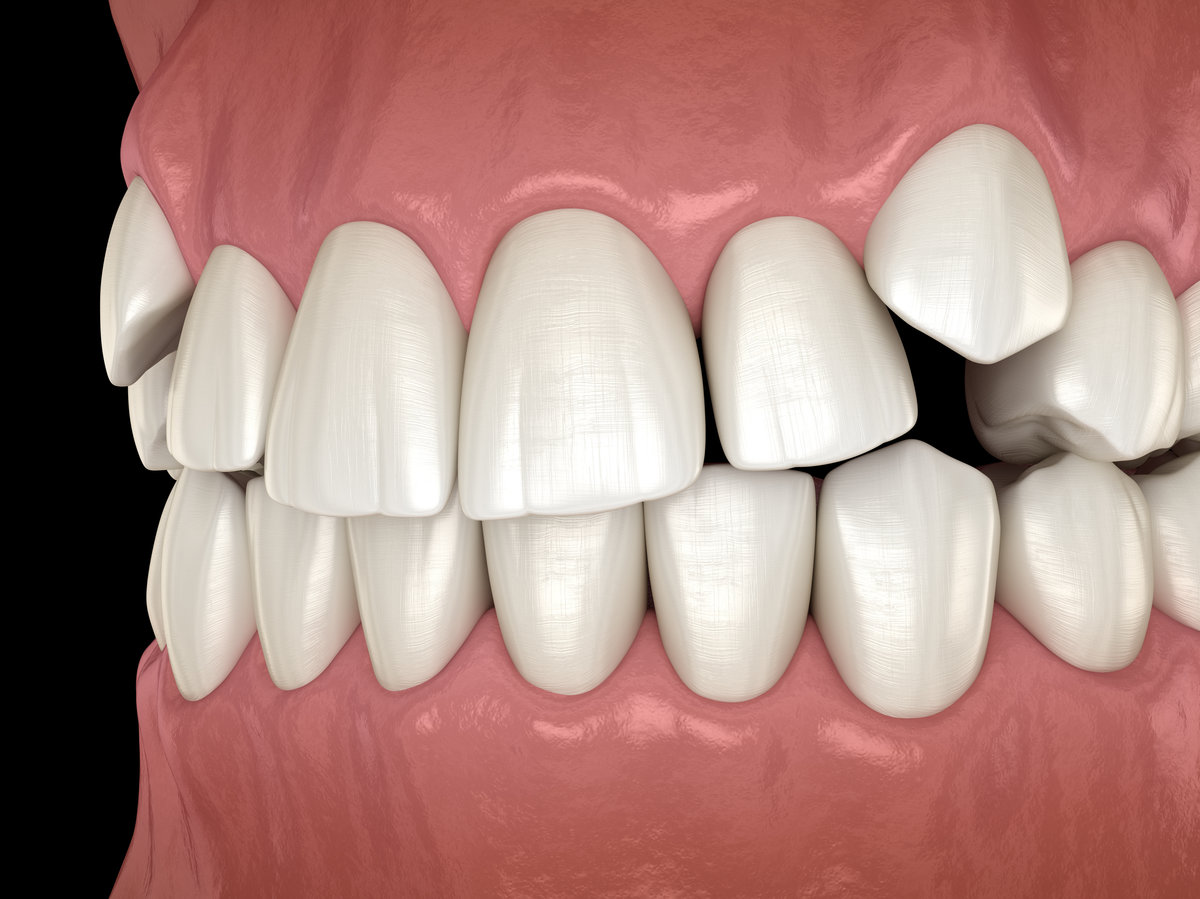
Impacted incisors, overcrowded teeth. Medically accurate 3D illustration of abnormal dental occlusionYour smile depends on every tooth working together in harmony, but when a canine tooth refuses to emerge properly, it disrupts far more than just your appearance. Canine teeth serve as cornerstones of your dental arch, guiding other teeth into position and helping you bite and chew effectively. An impacted canine remains trapped beneath your gum tissue or grows at an angle that prevents normal eruption, creating problems that affect both function and aesthetics.
At Birch Family Dental in Green River, Wyoming, we’ve treated countless cases of impacted canines with oral surgery services that restore both health and confidence. Our team has served families in this community for over 40 years, combining hometown care with advanced technology to address complex dental issues. Understanding your treatment options for impacted canines helps you make informed decisions about protecting your smile’s long-term health.

What Causes Canine Impaction?

Canines typically emerge between ages 11 and 13, but several factors can prevent them from erupting normally. Crowding in your mouth often leaves insufficient space for canines to break through the gums. Sometimes baby teeth don’t fall out when they should, blocking the path for permanent canines. Extra teeth, cysts, or tumors can also obstruct the natural eruption process. Genetics plays a role, too, as impacted canines often run in families. Your canines might also grow at an unusual angle, preventing them from emerging in the right position.

How Impacted Canines Affect Your Oral Health

Leaving an impacted canine untreated can lead to several complications. The tooth might damage the roots of nearby teeth, potentially causing pain or tooth loss. Cysts can form around the impacted tooth, requiring more extensive treatment later. Your other teeth may shift to fill the gap, creating bite problems and misalignment that affect how your jaw functions. Bite problems can impact your ability to chew properly and may lead to uneven wear on your teeth. Some people with impacted canines experience pain, swelling, or tenderness in their gums. You might notice a gap where the canine should have emerged, or you might still have a baby canine tooth well past the typical age for it to fall out.

Diagnosing Impacted Canines

Your dentist can identify impacted canines through a thorough examination and imaging. X-rays reveal the position of the tooth beneath your gums and show whether it’s affecting nearby teeth or structures. A 3D cone beam CT scan provides even more detailed information about the tooth’s location and angle, helping your dental team plan the most effective treatment. Regular dental checkups allow your dentist to monitor tooth development and catch potential impaction issues early. Early detection often leads to simpler treatment and better outcomes.

Treatment Options for Impacted Canines

The approach to treating impacted canines depends on several factors, including the tooth’s position, your age, and whether other teeth are affected. Your dental team will recommend the option best suited to your situation. One common treatment combines orthodontics with minor oral surgery. Your dentist first exposes the impacted canine by creating a small opening in the gum tissue, then attaches an orthodontic bracket to the tooth. Clear aligners gradually guide the tooth into its proper position over several months, preserving your natural tooth and achieving excellent results. Most patients wear clear aligners for 20 to 22 hours per day, removing them only for meals and oral hygiene.

Sometimes removing the impacted canine is the most practical solution. This might be necessary if the tooth is severely impacted, positioned in a way that makes alignment impossible, or causing damage to nearby teeth. After extraction, your orthodontist can help close the gap, or your dentist might place a restoration to fill the space. The procedure is performed under sedation to keep you comfortable throughout. For younger patients whose permanent canines haven’t fully developed, creating and maintaining space in the mouth might encourage natural eruption. Your orthodontist uses special appliances to keep the area open while monitoring the tooth’s progress.

What to Expect During Treatment

The treatment timeline varies based on your chosen approach. Orthodontic exposure and alignment typically takes 12 to 24 months from start to finish. Your dental team monitors progress regularly, adjusting your treatment as needed. You’ll attend regular appointments to check the tooth’s movement and ensure everything is progressing well. Recovery from the initial surgical procedure usually takes a few days. You might experience mild discomfort, swelling, or sensitivity, which resolves with proper care.

The Importance of Addressing Impacted Canines

Treating impacted canines improves both function and appearance. Your bite works more effectively when all teeth are properly aligned, reducing stress on your jaw joints and decreasing your risk of tooth wear. A complete, properly aligned smile also boosts your confidence and makes oral hygiene easier to maintain. Addressing impacted canines early prevents more serious problems later. Treatments become more complex when delayed, and the risk of complications increases over time. Taking action when your dentist first identifies the issue leads to better outcomes and often shorter treatment times.

Experience Care at Birch Family Dental

Dr. Bryant Birch and Dr. Anderson bring extensive surgical experience to every case. Our practice has completed well over 800 implants and provides comprehensive oral surgery services right in our Green River office. We use advanced technology, including 3D imaging and digital scanning, to plan your treatment precisely and achieve optimal results. Our team understands that facing oral surgery can feel overwhelming, which is why we offer sedation options to keep you comfortable during procedures.

We’ve served families in our community for over 40 years, earning trust through quality care and attention to each patient’s needs. Contact our team today to schedule a consultation and learn more about your treatment options for impacted canines.

What to Expect During Wisdom Tooth Extraction at Birch Family Dental

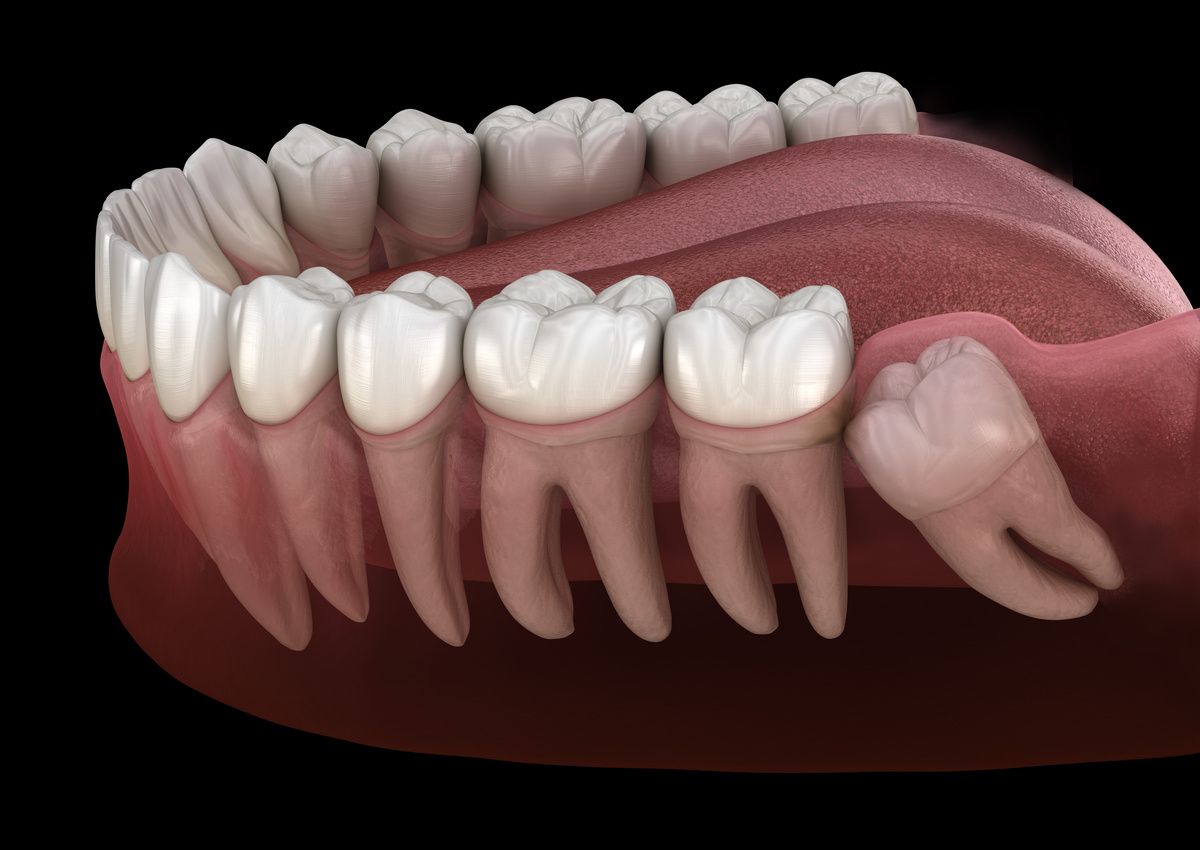
Healthy teeth and wisdom tooth with mesial impaction . Medically accurate tooth 3D illustrationWisdom tooth extraction is one of the most common oral surgery procedures, and understanding what happens during the process can help ease any concerns you might have. Most people develop four wisdom teeth, which typically emerge between the ages of 17 and 25. These third molars often lack adequate space to grow properly, leading to impaction, crowding, or infection. When wisdom teeth cause problems or show signs of future complications, extraction becomes the best solution to protect your oral health.
At Birch Family Dental, we perform oral surgery procedures with a focus on your comfort and safety. Dr. Bryant Birch and Dr. Anderson bring extensive surgical experience to every extraction, having completed well over 800 implants and countless other procedures. Our Green River office is equipped with advanced technology and certified for sedation dentistry, allowing us to provide comprehensive care in a comfortable setting. Knowing what to expect during your wisdom tooth extraction can help you feel more prepared and confident about the procedure.

Why Wisdom Teeth Need Removal

Wisdom teeth often require extraction because your jaw may not have enough room to accommodate them. When these teeth try to emerge without sufficient space, they can become impacted, meaning they’re trapped beneath the gum tissue or growing at an angle. Impacted wisdom teeth can push against neighboring teeth, causing pain, crowding, and potential damage to your other molars.

They can also create pockets where bacteria collect, leading to infections, gum disease, or cysts. Even wisdom teeth that partially emerge can be difficult to clean properly, increasing your risk of decay and gum problems. Removing problematic wisdom teeth prevents these complications and protects your long-term oral health.

Your Initial Consultation

Your wisdom tooth extraction journey begins with a thorough consultation. We take a 3D cone beam CT scan of your mouth, which provides detailed images of your wisdom teeth, their positions, and their relationship to surrounding structures like nerves and sinuses. This advanced imaging helps us plan your procedure with precision.

During your consultation, we discuss your specific situation, explain the extraction process, and review your sedation options. You’ll have plenty of time to ask questions and share any concerns. We also review your medical history to ensure we choose the safest approach for your procedure.

Sedation Options for Your Comfort

We understand dental procedures can feel stressful, which is why we offer multiple sedation options. For anxious patients or complex extractions, we provide deep sedation through our certified nurse anesthetist. He’s the same professional you’d encounter at a same-day surgery center, bringing hospital-level care to our office. He conducts a pre-op phone call to review your medical history and answers any questions before your procedure day.

On the day of your extraction, you’ll speak with both him and your dentist before receiving sedation. We also offer minimal sedation options, including nitrous oxide and prescription medications for patients who prefer lighter sedation. Your comfort and safety remain our top priorities throughout the entire process.

The Extraction Procedure

On the day of your extraction, you’ll arrive at our office and complete any final paperwork. If you’re receiving deep sedation, you’ll need someone to drive you home after the procedure. Once you’re comfortable and sedated, Dr. Birch or Dr. Anderson begins the extraction.

For teeth that have fully emerged, the process is straightforward and involves gently loosening the tooth and removing it. For impacted wisdom teeth, we make a small incision in the gum tissue to access the tooth. Sometimes we need to remove a small amount of bone or divide the tooth into sections for easier removal. Throughout the procedure, you won’t feel pain thanks to anesthesia and sedation. The entire process typically takes 45 minutes to an hour, depending on the number of teeth being removed and their positions.

Immediate Recovery and Aftercare

After your extraction, you’ll rest in our office while the sedation wears off. Our team monitors you closely during this time. We provide detailed aftercare instructions and ensure you understand how to care for the extraction sites. You’ll receive prescriptions for pain management and antibiotics if needed.

Before you leave, we schedule your follow-up appointment to check your healing progress. Our team remains available to answer questions or address concerns during your recovery. We want you to feel supported every step of the way.

What to Expect at Home

Recovery from wisdom tooth extraction typically takes a few days to a week. You’ll experience swelling and mild discomfort for the first 48 to 72 hours, which gradually improves. Some bleeding is normal for the first day, controlled by biting on gauze pads. You’ll need to stick to soft foods for several days and avoid using straws, smoking, or vigorous rinsing to prevent dry socket.

Most patients return to work or school within a few days. During this time, maintaining good oral hygiene around the extraction sites helps prevent infection, though you’ll need to be gentle in those areas. You’ll come back for a follow-up visit so we can check your healing progress and ensure everything is on track. Following your aftercare instructions carefully promotes faster healing and reduces complications.

Why Choose Birch Family Dental for Your Extraction

Our practice offers unique advantages for wisdom tooth extraction. We’re one of the only offices in the area with a certified nurse anesthetist, allowing us to provide hospital-level sedation care right here in Green River. This means you don’t need to travel hours to a larger city for complex extractions. We use advanced technology like WaterLase laser therapy and 3D imaging to make procedures more comfortable and precise. 

Dr. Birch has invested extensive time in continued education to provide the highest level of surgical care. Our family has served this community for over 40 years, building lasting relationships based on trust and quality care. Our experienced team, advanced technology, and comprehensive sedation options ensure you receive comfortable, high-quality care throughout your procedure. We have sedation available with a nurse anesthetist for any surgeries or for people with dental anxiety. Contact us today to schedule your consultation and take the first step toward protecting your smile.

How Can Laser Therapy Be Used In Dental Hygiene?

Close-up portrait of a female patient visiting dentistLaser therapy has revolutionized modern dental care by offering patients a more comfortable, precise alternative to traditional dental procedures. This advanced technology uses concentrated light beams to treat various oral health conditions with remarkable accuracy. Whether you’re dealing with gum disease, tooth sensitivity, or simply want a more efficient cleaning, laser dentistry provides solutions that reduce discomfort and promote faster healing.


At Birch Family Dental, we integrate advanced laser technology into our comprehensive approach to dental hygiene, allowing our dental professionals to deliver treatment with unmatched precision and care. Understanding how laser therapy works and its applications can help you make informed decisions about your oral health.

What Makes Laser Technology Effective in Dental Care?

Dental lasers work by emitting specific laser wavelengths that interact with oral tissues in controlled ways. These diode lasers and erbium lasers can target both hard and soft tissue with precision that traditional instruments cannot match. The laser energy penetrates diseased tissue while leaving healthy tissue intact, creating a treatment experience that’s both effective and minimally invasive.

Low-level laser therapy has become particularly valuable in dental hygiene because it offers bacterial reduction without the need for aggressive mechanical removal. The concentrated light beam eliminates harmful bacteria while simultaneously stimulating tissue regeneration and wound healing. This dual action makes laser treatment an excellent choice for patients seeking comfortable, efficient care.

How Do Lasers Enhance Dental Cleanings and Hygiene Procedures?

Traditional dental ultrasonic scaling combined with laser bacterial reduction represents a significant advancement in preventive care. During routine cleanings, dental hygienists can use proper laser technique to penetrate gum pockets and eliminate bacteria that manual scaling might miss. The laser energy breaks down plaque deposits and biofilm while the heat cauterizes treated areas, reducing bleeding and discomfort.

This approach to dental hygiene offers several advantages over conventional methods. Patients experience less sensitivity during treatment because lasers don’t create the vibration and pressure associated with traditional scaling instruments. The treatment also takes less time while achieving thorough results, and the risk of infection decreases because the laser sterilizes as it treats.

Can Laser Assisted Periodontal Therapy Treat Gum Disease?

Periodontal therapy has been transformed by adjunctive laser technology. When treating periodontal disease, dental professionals use diode laser training to target infected gum tissue and bacteria colonizing root surfaces. This nonsurgical periodontal therapy approach removes diseased tissue while stimulating the regeneration of healthy connective tissue and bone.

The laser decontamination process reaches areas that traditional scaling and root planing alone cannot fully address. By eliminating bacteria deep within periodontal pockets, laser-assisted periodontal therapy helps prevent the progression of gum disease and can often save teeth that might otherwise require extraction. Many patients who undergo this non surgical periodontal therapy see significant improvements in gum health with minimal discomfort and rapid recovery.

What Other Dental Procedures Benefit from Laser Treatment?

Beyond routine cleanings and periodontal procedures, dental lasers serve multiple purposes in comprehensive oral care. Hard tissue lasers can prepare teeth for fillings, detect cavities in their earliest stages, and even perform certain aspects of root canal therapy. These applications demonstrate the versatility of laser dentistry across restorative treatments.

Soft tissue procedures also benefit from laser technology. Lasers can reshape gums, remove excess tissue, perform frenectomies, and assist with biopsies. When used for teeth whitening, lasers activate bleaching agents more effectively than light alone. The precision of diode lasers makes them ideal for treating cold sores, removing lesions, and addressing tooth sensitivity by sealing exposed dentin tubules.

Is Laser Surgery Safe for Dental Patients?

Safety remains a top priority when dental professionals use laser energy to treat patients. Modern dental lasers have been thoroughly tested and proven effective through decades of clinical use. When proper protocols are followed, including the use of appropriate personal protective equipment and proper laser technique, risks are minimal.

Potential complications such as tissue damage or burns are extremely rare when lasers are operated by trained dental hygienists and dentists. The precision of laser wavelengths allows for controlled treatment that targets only diseased tissue. Most patients experience fewer complications with laser procedures compared to traditional methods because lasers naturally sterilize treatment areas and cause less trauma to surrounding tissues.

How Does Laser Therapy Compare to Traditional Dental Methods?

The advantages of laser dentistry become clear when comparing outcomes to conventional approaches. Laser treatment typically causes less bleeding because the light beam cauterizes blood vessels as it works. Patients report reduced post-treatment discomfort and faster wound healing, often returning to normal activities within days rather than weeks.

Other dental procedures that once required multiple appointments can sometimes be completed in a single visit using laser technology. The precision and efficiency of lasers mean less chair time for patients and more predictable results. While traditional methods remain effective for many applications, lasers offer enhanced comfort and outcomes for an increasing number of treatments.

What Should Patients Expect During Laser Dental Treatments?

During laser-assisted dental procedures, you’ll notice several differences from traditional treatment. The sound of a laser is much quieter than a dental drill, and you won’t feel the vibration that many patients find unsettling. Your dental professional will provide protective eyewear to shield your eyes from the laser light.

Most patients report minimal to no discomfort during laser treatments, and local anesthesia is often unnecessary for procedures involving only soft tissue. The treatment area may feel slightly warm, but the sensation is generally well-tolerated. After treatment, you’ll receive specific care instructions, though recovery from laser procedures typically requires less intervention than traditional methods.

Discover Advanced Dental Care with Laser Technology

Modern laser therapy represents a significant leap forward in dental hygiene and comprehensive oral care. By combining precision, comfort, and effectiveness, this technology allows dental professionals to address everything from routine cleanings to complex periodontal treatments with improved patient outcomes.

Ready to experience the benefits of laser dentistry? Contact us at Birch Family Dental by calling 307-269-5662 to schedule your appointment. Our team of experienced dental professionals will answer your questions and help you understand how laser therapy can enhance your oral health journey.

FAQ About Laser Therapy Treatment in Green River, WY

Does laser therapy hurt during dental procedures?

Most patients experience minimal to no discomfort during laser dental treatments. Unlike traditional drills that create pressure and vibration, dental lasers work precisely without touching the tooth or gum tissue directly. The laser energy removes diseased tissue while sealing nerve endings, which actually reduces pain. Many soft tissue procedures with low level laser therapy require no anesthesia at all. For treatments involving hard tissue lasers, any sensation is typically described as a mild warmth rather than pain. Patients consistently report that laser dentistry feels more comfortable than conventional methods.

Recovery from laser assisted periodontal therapy is significantly faster than traditional gum surgery. Most patients return to normal activities within 24 to 48 hours after treatment. The laser energy cauterizes tissue as it works, which minimizes bleeding and reduces the risk of infection. You may experience slight tenderness for a few days, but this is typically manageable with over-the-counter pain relief. Unlike conventional scaling and root planing that can leave gums swollen for a week or more, nonsurgical periodontal therapy with lasers promotes faster wound healing because it preserves more healthy tissue and stimulates natural regeneration.

Yes, dental lasers are safe for patients of all ages when operated by trained dental professionals using proper laser technique. Children often respond particularly well to laser treatment because the quiet operation and lack of vibration reduce anxiety. For patients with sensitive teeth, laser therapy actually provides relief by sealing exposed tubules in the dentin that cause sensitivity. Diode lasers can treat tooth decay in children with minimal discomfort, making dental visits less stressful. All dental hygienists and dentists using laser technology receive extensive diode laser training to ensure they can safely treat patients with various needs and sensitivities.

Laser bacterial reduction complements rather than replaces traditional dental cleanings. During routine hygiene appointments, your dental hygienist will use dental ultrasonic scaling to remove plaque and calculus, followed by adjunctive laser therapy to eliminate bacteria deep in gum pockets. This combination approach achieves better results than either method alone. The laser decontamination process reaches areas that manual instruments cannot fully access, particularly below the gumline where periodontal disease develops. Think of laser use as an enhancement to your regular cleaning that provides an extra layer of bacterial protection and helps maintain optimal gum health between visits.

Laser surgery addresses a wide range of dental issues across multiple specialties. Soft tissue procedures include gum reshaping, frenectomies, removal of excess tissue, and treatment of gum disease. Hard tissue lasers can detect cavities, prepare teeth for fillings, and assist with certain endodontic procedures. Other dental procedures enhanced by laser technology include dental implant site preparation, biopsy and lesion removal, teeth whitening activation, and treatment of cold sores or canker sores. The versatility of erbium lasers and diode lasers means dental professionals can often complete multiple treatments in a single appointment, saving you time while improving outcomes through precision and reduced trauma to surrounding tissues.

How Are Professional Teeth Whitening Treatments Different From Home Solutions?

Young man with beautiful smile on grey background. Teeth whiteningA bright, white smile can boost your confidence and make a lasting impression, but with countless whitening options available today, choosing the right approach can feel overwhelming. Many wonder whether they should invest in professional teeth whitening treatments or try the more affordable home solutions that line store shelves and flood social media advertisements.
At Birch Family Dental, Dr. Bryant Birch and Dr. Tate Anderson help patients achieve their brightest smiles through safe, effective professional whitening treatments. With decades of combined experience and access to advanced dental technology, our team can guide you toward the whitening solution that will deliver the results you want while protecting your oral health.

Professional Teeth Whitening Advantages

Professional teeth whitening treatments offer several significant advantages over home solutions. The most notable difference is the strength and effectiveness of the bleaching agents used in dental offices.

Higher Concentration Bleaching Agents

Professional whitening treatments use bleaching gels with concentrations ranging from 15% to 35% hydrogen peroxide, compared to over-the-counter products that typically contain 3% to 10%. This higher concentration allows for more dramatic results in a shorter time frame.

The stronger formulations used in professional treatments can remove deeper, more stubborn stains that home products simply cannot address. This makes professional whitening particularly effective for patients with significant discoloration or those seeking maximum whitening results.

Advanced Laser Whitening Technology

At Birch Family Dental, we use laser technology for our professional teeth whitening treatments. Unlike traditional whitening systems such as Zoom, our laser whitening approach is performed by our skilled hygiene team, who are specially trained in this advanced technique.

Laser teeth whitening accelerates the whitening process by activating the bleaching gel more effectively, resulting in faster, more dramatic results. Our hygienists perform these treatments with precision and care, ensuring even coverage and optimal activation of the whitening gel. This advanced technology reduces treatment time while maximizing the brightness of your smile, making it an ideal choice for patients seeking efficient, professional-grade results.

Custom-Fitted Treatment

One of the key advantages of professional whitening is the custom approach to treatment. Your dentist will create custom-fitted trays that ensure even distribution of the whitening gel across all tooth surfaces. This prevents uneven whitening and reduces the risk of gel leaking onto your gums.

Professional treatments also allow for personalized treatment plans based on your specific needs, current shade, and desired results. Your dentist can adjust the concentration and treatment duration to achieve optimal results while minimizing sensitivity.

Enhanced Technology and Techniques

Many professional whitening treatments incorporate advanced technology to enhance results. Some procedures use special lights or heat to activate the bleaching gel, accelerating the whitening process and improving outcomes.

Professional treatments also benefit from the controlled environment of a dental office, where factors like temperature, humidity, and timing can be carefully managed to optimize results. The use of professional-grade equipment and techniques ensures consistent, predictable outcomes.

Safety and Supervision

Professional whitening treatments are performed under the supervision of trained dental professionals who can monitor your comfort and safety throughout the process. This supervision is particularly important for patients with sensitive teeth, existing dental work, or other oral health concerns.

Your dentist can immediately address any issues that arise during treatment and provide guidance on managing post-treatment sensitivity. This level of professional oversight significantly reduces the risk of complications or adverse effects.

Home Whitening Solutions Overview

Home whitening solutions come in various forms, each with different levels of effectiveness and convenience. Understanding these options can help you make an informed decision about your whitening approach.

Over-the-Counter Whitening Products

Drugstore whitening products include toothpastes, strips, gels, and trays that promise convenient at-home whitening. These products typically contain lower concentrations of bleaching agents and are designed for gradual whitening over several weeks or months.

Common over-the-counter options include:

  • Whitening toothpastes that remove surface stains through mild abrasives
  • Whitening strips that adhere to teeth and deliver bleaching gel
  • Paint-on whitening gels applied with a brush or pen
  • One-size-fits-all whitening trays with pre-filled gel

While these products can provide some whitening benefits, their effectiveness is limited by the lower concentration of active ingredients and the generic application methods that may not fit your teeth properly.

Take-Home Professional Kits

Some dental offices offer take-home whitening kits that bridge the gap between over-the-counter products and in-office treatments. These kits typically include custom-fitted trays and professional-strength whitening gel that you can use at home under your dentist’s guidance.

Take-home professional kits offer several advantages over drugstore products, including custom trays for better fit and coverage, higher concentration bleaching gels for more effective results, and professional supervision to ensure safe use. However, they still require longer treatment times compared to in-office procedures.

Comparing Results and Timeline

The differences in results and treatment timelines between professional and home whitening solutions are significant and worth considering when choosing your approach.

Professional in-office whitening treatments can lighten teeth by several shades in a single appointment, often lasting 60 to 90 minutes. Many patients see immediate, dramatic results that continue to improve over the following days as the whitening process continues.

Home whitening solutions typically require weeks or months of consistent use to achieve noticeable results. Over-the-counter products may lighten teeth by one to three shades with regular use, while results can vary significantly based on the product quality and individual factors.

The longevity of whitening results also differs between professional and home treatments. Professional whitening typically provides longer-lasting results due to the deeper penetration of higher-concentration bleaching agents. With proper care and maintenance, professional whitening results can last one to three years.

Achieve Your Brightest Smile Today

Don’t settle for less than the brilliant smile you deserve. Professional teeth whitening treatments at Birch Family Dental offer superior results, enhanced safety, and personalized care that home solutions simply cannot match. Dr. Bryant Birch and Dr. Tate Anderson use advanced whitening technology and professional-strength treatments to help you achieve dramatic results in the shortest time possible.

Ready to discover the difference professional whitening can make for your smile? Contact Birch Family Dental today at (307) 875-3658 or schedule your whitening consultation online to learn more about our professional whitening options and take the first step toward your brightest, most confident smile.

Who is a Good Candidate for Teeth Shaving?

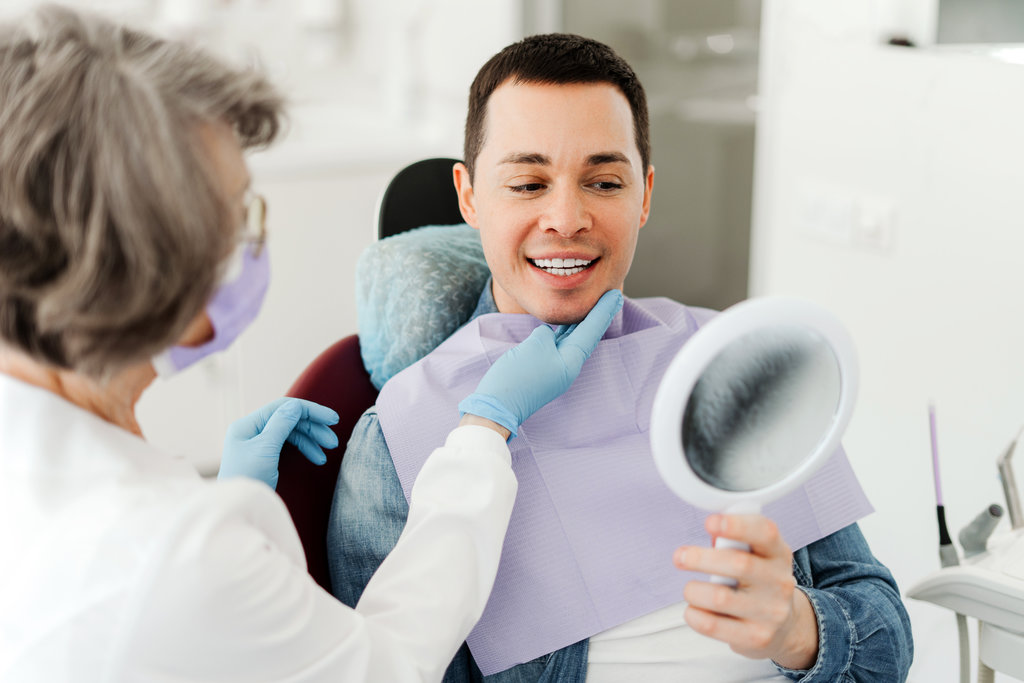
Smiling attractive male patient holding mirror, looking, talking to senior professional dentist. Concept of dental care, treatment, whiteningEnhancing your smile doesn’t always require months of treatment or invasive procedures. Teeth shaving offers a single-visit solution for minor dental imperfections by precisely removing small amounts of enamel to create a more balanced, aesthetically pleasing appearance with immediate results.
At Birch Family Dental, we provide teeth shaving as part of our comprehensive cosmetic dentistry services. Our skilled dentists carefully evaluate each patient’s unique situation to determine if this conservative approach aligns with their specific needs and aesthetic goals.

Understanding Teeth Shaving Candidacy

Teeth shaving represents an excellent option for many patients seeking subtle smile enhancements. However, certain factors determine whether this procedure will deliver the results you desire while maintaining optimal dental health.

The procedure involves removing small amounts of tooth enamel to reshape teeth and improve their appearance. This minimally invasive technique can address several cosmetic concerns without requiring extensive treatments or recovery time.

Determining your candidacy requires a thorough evaluation by a qualified dentist. This assessment ensures the procedure will benefit your smile while preserving your long-term dental health and function.

Your dentist will carefully examine your teeth, assess your enamel thickness, and discuss your aesthetic goals before recommending teeth shaving or suggesting alternative treatments that might better address your concerns.

Ideal Candidates for the Procedure

The best candidates for teeth shaving share several important characteristics that make them suitable for this conservative cosmetic approach. Understanding these factors can help you determine if this procedure might work for your situation.

Patients with healthy teeth and sufficient enamel thickness typically make excellent candidates for teeth shaving. Your dentist will evaluate your dental structure to ensure we can safely remove a small portion of enamel without compromising tooth integrity or function.

Those with minor cosmetic concerns often benefit most from teeth shaving. The procedure effectively addresses several common issues that affect smile aesthetics while requiring minimal alteration to natural tooth structure.

The following concerns respond particularly well to teeth shaving treatment:

  • Slightly uneven tooth edges that create an irregular smile line
  • Minor overlapping between adjacent teeth that doesn’t require orthodontics
  • Small chips or rough areas that detract from smile aesthetics
  • Subtly pointed canines that appear too sharp or prominent
  • Minimal size discrepancies between teeth that create visual inconsistency

The ideal candidate also maintains realistic expectations about what teeth shaving can achieve. This procedure produces refined improvements rather than dramatic transformations, making it perfect for those seeking subtle enhancements.

When Alternative Treatments May Be Better

Not everyone makes a suitable candidate for teeth shaving. Certain dental conditions and cosmetic goals may require different approaches to achieve optimal results and maintain oral health.

Patients with significant dental misalignments or spacing issues typically benefit more from orthodontic treatment. Teeth shaving cannot correct substantial positioning problems, and attempting to do so could unnecessarily compromise tooth structure.

Those with thin enamel or existing sensitivity issues may find teeth shaving exacerbates these conditions. In such cases, additive procedures like dental bonding or veneers often provide better alternatives that strengthen rather than reduce tooth structure.

Individuals seeking dramatic smile transformations should consider more comprehensive treatment options. While teeth shaving offers subtle refinements, procedures like veneers, crowns, or complete smile makeovers deliver more substantial changes for those desiring significant aesthetic improvements.

Patients with active dental disease require treatment for these conditions before pursuing cosmetic procedures. Addressing decay, gum disease, or structural issues establishes a healthy foundation necessary for successful cosmetic enhancements.

The Teeth Shaving Procedure and Aftercare

Understanding what happens during and after teeth shaving helps patients prepare for the experience. The procedure typically follows a straightforward process with minimal discomfort and recovery time.

Your dentist begins by thoroughly examining your teeth and discussing your aesthetic goals. This consultation includes identifying specific areas for reshaping and ensuring the procedure aligns with your overall dental health needs.

During the procedure, your dentist carefully removes small amounts of enamel using specialized tools. This precise reshaping requires artistic skill and attention to detail to ensure balanced, natural-looking results that enhance your smile’s appearance.

Most patients require no anesthesia during teeth shaving as the procedure typically causes no pain. The entire process usually takes between 30 and 60 minutes, depending on how many teeth require treatment and the extent of reshaping needed.

Contact Birch Family Dental Today

With tradition in dentistry since 1973 and well over 800 implants placed, Birch Family Dental combines experience with advanced technology to provide exceptional care. Our board-certified dentists can determine whether teeth shaving might help you achieve your desired smile improvements or recommend alternative treatments better suited to your specific needs.

Schedule your consultation today to discover how teeth shaving could enhance your smile with minimal intervention. Contact us at (307) 875-3658 or through our contact form to book your appointment and take the first step toward a more confident smile.

Why We Use Waterlase: Benefits for Your Oral Health

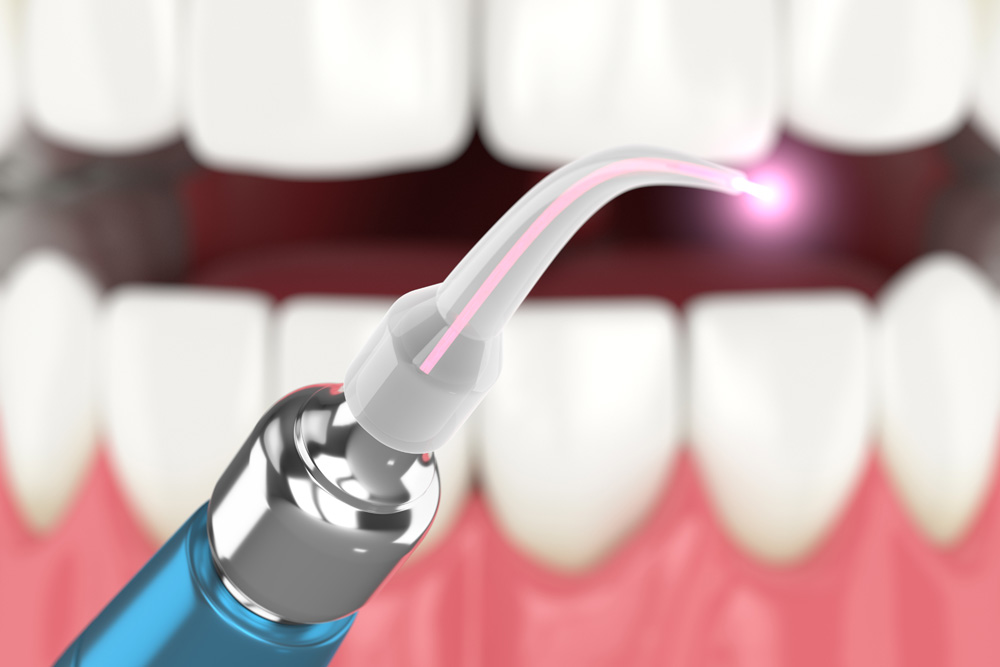
3d render of dental diode laser used to treat gumsAdvanced dental technology continues to revolutionize how we care for our patients, and Waterlase laser technology represents one of the most significant breakthroughs in modern dentistry. This innovative system uses the power of water, air, and laser energy to perform a wide range of dental procedures with greater precision, comfort, and faster healing times than traditional methods.
At Birch Family Dental, we’re committed to providing our patients with the most advanced and comfortable dental care available. That’s why we’ve invested in Waterlase technology to enhance your treatment experience and deliver superior results for your oral health.

What Makes Waterlase Technology Special

Waterlase technology combines laser energy with water and air to create a precise cutting tool that can work on both hard and soft tissues in your mouth. Unlike traditional dental drills, Waterlase often eliminates the need for anesthesia in many procedures because it generates minimal heat, pressure, and vibration. This revolutionary approach allows us to perform treatments that are more comfortable and less invasive than conventional methods.

The system works by using a specific wavelength of laser light that is highly absorbed by water. Since your teeth and gums contain water, the laser energy is absorbed efficiently, allowing for precise removal of decay or diseased tissue while preserving healthy surrounding areas. This targeted approach means less trauma to your mouth and faster healing times.

Laser Bacterial Reduction for Enhanced Preventive Care

One of the most valuable applications of our Waterlase technology is laser bacterial reduction, which we perform before your regular cleaning appointments. This advanced procedure uses laser energy to eliminate harmful bacteria that traditional cleaning methods might miss, particularly in hard-to-reach areas around your gum line and between teeth.

During laser bacterial reduction, the gentle laser energy penetrates below the gum line to target and eliminate bacteria that contribute to gum disease, tooth decay, and bad breath. This process is completely painless and takes just a few minutes to complete. By removing these harmful bacteria before your cleaning begins, we create an optimal environment for your hygienist to perform a more thorough and effective cleaning.

Key Benefits of Waterlase for Your Dental Health

Waterlase technology offers numerous advantages over traditional dental methods. One of the most significant benefits is the reduced need for anesthesia in many procedures. The precise nature of the laser means less discomfort during treatment, and many patients find they don’t need numbing injections for routine procedures.

Recovery time is typically faster with Waterlase treatments because the laser promotes natural healing and causes less trauma to surrounding tissues. The antimicrobial properties of the laser also help reduce the risk of infection, leading to better overall treatment outcomes. Additionally, the precision of Waterlase allows us to preserve more of your natural tooth structure during procedures, which is always our goal.

The technology also enables us to perform multiple procedures in a single visit that might otherwise require separate appointments. This convenience saves you time and reduces the number of visits needed to complete your treatment plan.

Conditions We Treat with Waterlase

Our Waterlase system allows us to address a wide variety of dental conditions with enhanced precision and comfort. We use it for cavity preparation and filling placement, where the laser can remove decay while preserving healthy tooth structure. Gum disease treatment is another area where Waterlase excels, as it can eliminate bacteria and infected tissue while promoting healing of the gums.

Root canal procedures benefit significantly from laser technology, as the antimicrobial properties help ensure thorough disinfection of the tooth’s interior. We also use Waterlase for crown lengthening procedures, frenectomy treatments, and various soft tissue procedures that traditionally required more invasive techniques.

The versatility of Waterlase means we can often complete complex treatments more efficiently and with greater precision than conventional methods would allow.

What to Expect During Your Waterlase Treatment

When you receive treatment with our Waterlase system, you’ll notice the difference immediately. The procedure typically begins with a brief explanation of what to expect, though most patients are pleasantly surprised by how comfortable the process feels. You may hear a gentle spraying sound as the laser works with water and air, but there’s no vibration or pressure like you might experience with traditional dental drills.

Many patients report feeling only a slight warming sensation during treatment, and some don’t feel anything at all. Because the laser is so precise, procedures often take less time than traditional methods. After treatment, you’ll likely experience minimal discomfort and can usually return to your normal activities immediately.

Your healing process will typically be faster and more comfortable than with conventional treatments. We’ll provide you with specific aftercare instructions, though these are often simpler than what’s required after traditional procedures.

Experience Advanced Dental Care at Birch Family Dental

At Birch Family Dental, we believe that combining advanced technology with compassionate care creates the best possible experience for our patients. Our Waterlase system represents our commitment to staying at the forefront of dental technology while maintaining the personal, family-centered approach that has made us Green River’s trusted dental practice since 1973.

Dr. Bryant Birch and Dr. Tate Anderson have extensive experience with laser dentistry and are dedicated to ensuring you receive the most comfortable, effective treatment possible. Our team is well-trained in Waterlase procedures and will be happy to answer any questions you have about how this technology can benefit your specific dental needs. To learn more about Waterlase technology and how it can enhance your dental care experience, contact Birch Family Dental at (307) 875-3658 or visit our contact page to schedule your appointment.

Top 5 Signs You Might Need Oral Surgery

Dentist during a dental intervention with a patient. Dental clinic concept.

Your mouth sends clear signals when something needs attention. Persistent pain, swelling that won’t go away, teeth that shift unexpectedly, or difficulty eating and speaking can all point to conditions that conservative treatments can’t resolve. While these symptoms might seem manageable at first, they often indicate underlying problems that require surgical intervention to prevent long-term damage to your oral health and overall quality of life.

At Birch Family Dental in Green River, Wyoming, Dr. Birch and Dr. Anderson have completed over 800 implant placements and bring more than 40 years of combined tradition to oral surgical care. Their surgery-driven approach combines advanced technology with a gentle, patient-focused philosophy that has served the community for generations.

Chronic Pain That Won’t Respond to Treatment

Dental pain that persists despite antibiotics, root canal therapy, or other conservative treatments often signals a deeper problem. This discomfort might stem from impacted wisdom teeth pressing against neighboring molars, infected tooth roots that have spread beyond the tooth structure, or jawbone deterioration from advanced periodontal disease. When standard dental procedures fail to eliminate pain, oral surgery becomes necessary to address the root cause rather than just managing symptoms.

The pain might manifest as a constant ache, sharp shooting sensations when you bite down, or throbbing that disrupts your sleep. Many patients describe feeling pressure deep within the jaw that doesn’t match the surface-level discomfort of a typical cavity. According to the American Dental Association, conditions like dry socket following an extraction can cause severe pain when the blood clot protecting the bone and nerves becomes displaced.

Severe Swelling or Infection

Facial swelling accompanied by fever, difficulty swallowing, or breathing problems requires immediate attention. An abscessed tooth occurs when bacteria enter the pulp through decay, periodontal disease, or a cracked tooth, causing infection and pus buildup. These infections can spread rapidly to surrounding tissues, potentially leading to life-threatening complications if left untreated.

You might notice puffiness around your jaw, cheeks, or neck that feels warm to the touch. The area may be tender and red, with the swelling making it difficult to fully open your mouth or turn your head comfortably. Surgical drainage of the abscess, combined with removal of the infected tissue or tooth, often becomes the only effective solution when antibiotics alone can’t control the infection.

Impacted or Problematic Wisdom Teeth

Wisdom teeth that can’t fully emerge through the gums create a host of problems. These third molars typically attempt to erupt in your late teens or early twenties, but many people’s jaws don’t have enough space to accommodate them properly. Partially erupted wisdom teeth create pockets where bacteria accumulate, leading to repeated infections called pericoronitis. Fully impacted wisdom teeth can damage adjacent teeth, develop cysts, or cause crowding that undoes years of orthodontic work.

Common warning signs include recurring pain at the back of your mouth, jaw stiffness, swollen gums around the last molars, and an unpleasant taste or odor from the area. Even wisdom teeth that haven’t caused symptoms yet might need removal if X-rays show they’re growing at problematic angles or pressing against other teeth.

Advanced Jaw Problems Affecting Daily Life

Temporomandibular joint (TMJ) disorders that don’t improve with splints, physical therapy, or medication sometimes require surgical correction. Severe cases involve structural problems within the joint itself, such as damaged cartilage, displaced discs, or degenerative conditions that cause the jaw to lock, click painfully, or limit your ability to open your mouth fully. These conditions can make eating, speaking, and even yawning a challenge.

Beyond TMJ issues, jaw surgery may be necessary to correct severe malocclusion (bite problems) that orthodontics alone can’t fix, or to address trauma from accidents that have fractured or displaced the jawbone. Some patients also need corrective jaw surgery to treat sleep apnea when the position of the jaw restricts the airway during sleep, affecting overall health and quality of rest.

Missing Teeth and Bone Loss

The gap left by a missing tooth does more than affect your smile. Within the first three months of tooth loss, you can lose up to 25% of the bone in that area, according to research from the American Academy of Implant Dentistry. This bone deterioration continues over time, eventually changing your facial structure and making it harder to eat certain foods or speak clearly. The surrounding teeth begin drifting into the empty space, creating alignment problems throughout your mouth.

Dental implant placement offers a permanent solution that preserves your jawbone and restores full function. The surgical procedure involves placing a titanium post into your jaw that fuses with the bone, creating a stable foundation for a crown. This approach prevents the progressive bone loss that occurs with bridges or dentures, which sit on top of the gums without providing the stimulation your jawbone needs to maintain its density and structure.

Expert Oral Surgery Care at Birch Family Dental

Since 1973, Birch Family Dental has provided comprehensive oral surgical care to patients throughout Green River, Rock Springs, and the surrounding Wyoming communities. As the only practice in the area with a nurse anesthetist on staff, we offer both minimal and deep sedation options to ensure your complete comfort during procedures. Our in-house lab and same-day capabilities mean you can often complete treatments in a single visit, minimizing time away from work and family.

We also provide flexible financing options through CareCredit and Proceed Finance, so necessary surgical care remains accessible regardless of your budget. Contact us today to schedule a consultation and discover how advanced oral surgery can restore your health and confidence.

Same-Day Teeth: The Complete Guide to Immediate Load Implants

AdobeStock 167420337 1 - Birch Family DentalMissing teeth can impact your smile, confidence, and quality of life. Traditional dental implants require months of healing before you can enjoy your new teeth. Immediate load implants, often called “same-day teeth,” offer a faster solution. These advanced implants allow you to walk out of the dental office with functional teeth on the same day as your surgery.
If you’re considering restoring your smile, immediate load implants may be the right choice. This approach combines modern technology with surgical precision to give you a complete smile transformation in a single visit. Dental implants have revolutionized how we replace missing teeth. With immediate load technology, patients can avoid the waiting period typically associated with traditional implant procedures.

What Are Immediate Load Implants?

Immediate load implants are titanium posts surgically placed into your jawbone and topped with a temporary or permanent restoration the same day. Unlike traditional implants that require three to six months of healing before attaching the crown, immediate load implants allow you to leave with functioning teeth right away.

The key to success lies in having sufficient bone density and proper implant stability. Your dentist will evaluate your jaw structure to determine if you’re a good candidate for this procedure. Not everyone qualifies, but when you do, the benefits are significant.

How the Same-Day Teeth Process Works

The procedure begins with a thorough examination, including digital imaging and 3D scans. Your dentist will assess your bone quality and create a precise surgical plan. On the day of surgery, the implant posts are placed into your jawbone at strategic angles to maximize stability.

Once the implants are secured, your dentist attaches a custom-made temporary restoration. This temporary set allows you to eat soft foods and smile confidently while your implants integrate with your bone. After the healing period, usually three to six months, you’ll receive your permanent restorative dentistry solution.

What Are the Benefits of Choosing Same-Day Teeth?

The most obvious advantage is time. You don’t have to wait months without teeth or struggle with temporary dentures. Immediate load implants also reduce the number of surgical procedures you need, which means less time in the dental chair and faster overall treatment.

Many patients report feeling more confident because they never have to go without teeth during the healing process. You can return to work and social activities without the embarrassment of missing teeth. The immediate restoration also helps preserve your facial structure by providing support to your lips and cheeks.

Research shows dental implants have a success rate of 95%, making them a reliable long-term solution. Immediate load implants follow similar success patterns when placed by an experienced surgeon with proper patient selection.

Are You a Candidate For Immediate Load Dental Implants?

Good candidates for immediate load implants have adequate bone density and healthy gums. If you’ve lost teeth recently, you’re more likely to have sufficient bone for immediate placement. Patients with certain medical conditions, smokers, and those with severe bone loss may need additional procedures first.

Your overall health plays a role in healing and implant success. Conditions like uncontrolled diabetes or periodontal disease must be addressed before moving forward. During your consultation, your dentist will review your medical history and take detailed images to assess your candidacy.

Recovery and Aftercare

While you’ll leave with new teeth the same day, proper aftercare remains essential. Expect some swelling and discomfort for the first few days, which can be managed with prescribed medications. Stick to soft foods for several weeks to avoid putting excessive pressure on your new implants.

Good oral hygiene becomes more important than ever. Brush gently around the implant sites and follow your dentist’s instructions for rinsing. Attend all follow-up appointments so your dental team can monitor healing and make any necessary adjustments to your temporary restoration.

The Hybrid and All-on-4 Options

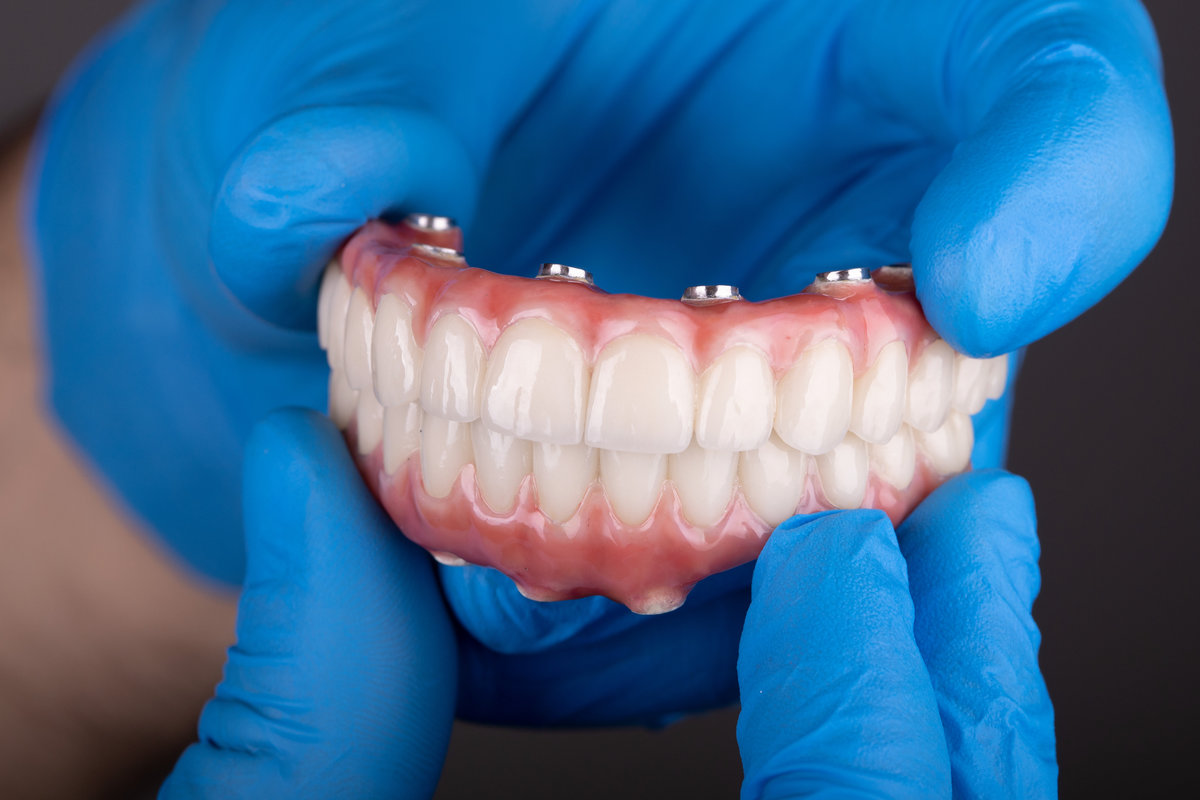
For patients missing most or all of their teeth, hybrid dentures and All-on-4 implants offer excellent same-day solutions. These approaches use four to six strategically placed implants to support a full arch of teeth. The result is a stable, natural-looking smile that functions like your original teeth.

At Birch Family Dental, we’ve successfully placed well over 800 implants, making us one of the most experienced practices in the region. Our surgical approach combines precision with patient comfort, and as the only practice in the area with a nurse anesthetist, we can offer sedation options for a stress-free experience.

Your Next Step Toward a Complete Smile With Birch Family Dental

Same-day teeth technology has changed the landscape of tooth replacement. You no longer have to endure months without a complete smile or struggle with uncomfortable temporary solutions. Immediate load implants provide function, aesthetics, and confidence from day one.

Since 1973, Birch Family Dental has served families in Green River, Wyoming, with tradition and cutting-edge technology. Our experienced team stays current with the latest advances in implant dentistry to give you the best possible results. Contact our office today to schedule a consultation. During your visit, we’ll evaluate your unique situation, answer your questions, and help you determine if immediate load implants are right for you. Meet our doctors and discover how we can restore your smile in just one day.

How Cosmetic Dentistry Can Change Your Life

Shes a happy camper. A beautiful young woman smiling outdoors.Cosmetic dentistry has the power to transform far more than just your smile. When you invest in cosmetic dental treatments, you’re investing in improved confidence, better oral health, and enhanced quality of life. The ripple effects of a beautiful, healthy smile extend into every aspect of your personal and professional relationships, creating opportunities you may never have imagined.

At Birch Family Dental, we’ve witnessed countless patients experience life-changing transformations through cosmetic dentistry. Dr. Birch and Dr. Anderson understand that a beautiful smile goes far beyond aesthetics, affecting how you feel about yourself and how others perceive you in every interaction. The field of cosmetic dentistry has advanced significantly, offering solutions for virtually every aesthetic concern, from discolored teeth and gaps to chips, misalignment, and even completely missing teeth.

Boosting Self-Confidence and Self-Esteem

Perhaps the most immediate and noticeable benefit of cosmetic dentistry is the boost to your self-confidence. When you’re not worried about hiding your teeth when you smile or laugh, you naturally become more outgoing and engaging. This newfound confidence can positively impact your career prospects, social relationships, and overall mental health.

Many patients report feeling more comfortable speaking in public, participating in social events, and pursuing opportunities they previously avoided due to embarrassment about their smile. The American Dental Association notes that tooth discoloration can significantly impact how people feel about their appearance, making professional whitening treatments particularly valuable for confidence.

Professional and Social Advantages

A confident smile can open doors in your professional life. Studies consistently show that people with attractive smiles are perceived as more successful, trustworthy, and approachable. In competitive job markets and business environments, these perceptions can translate into real opportunities and career advancement.

Your enhanced smile can also improve your social life. When you feel good about your appearance, you’re more likely to engage in social activities, form new relationships, and maintain existing ones. The psychological impact of loving your smile extends far beyond dental health, influencing your overall happiness and life satisfaction.

Improved Oral Health Through Cosmetic Treatments

Many cosmetic dental procedures offer dual benefits, improving both appearance and oral health. Dental crowns, for instance, not only restore the look of damaged teeth but also protect them from further decay and damage. Similarly, orthodontic treatments align teeth for better aesthetics while making them easier to clean and maintain.

Replacing missing teeth with dental implants or other restorative options prevents adjacent teeth from shifting, maintains proper bite alignment, and preserves jawbone structure. These treatments demonstrate how cosmetic improvements often support long-term oral health goals, and you can learn more about our comprehensive approach on our periodontal care page.

Long-Term Investment in Your Future

Cosmetic dentistry represents a long-term investment in your overall health, well-being, and personal success. Unlike other cosmetic enhancements, dental improvements can last for decades with proper care. Porcelain veneers, dental implants, and professional whitening treatments provide lasting results that continue paying dividends in confidence and functionality.

The durability of modern cosmetic dental materials means you can enjoy your improved smile for years to come. With regular dental care and good oral hygiene habits, many cosmetic treatments can last a lifetime, making them an excellent value proposition. Our gallery showcases the beautiful transformations possible with modern cosmetic dentistry.

Enhanced Quality of Life

Beyond confidence and professional benefits, cosmetic dentistry can significantly improve your daily quality of life. Properly aligned and restored teeth function better for eating and speaking. You can enjoy your favorite foods without discomfort or embarrassment, speak clearly and confidently, and maintain better overall oral health.

The psychological benefits of loving your smile are undeniable. When you’re not self-conscious about your teeth, you can focus on living your life to the fullest, pursuing relationships and opportunities without the barrier of dental insecurity. Learn more about our team’s commitment to patient care on our about us page.

Transform Your Life at Birch Family Dental

At Birch Family Dental, we understand that cosmetic dentistry is about much more than aesthetics. Dr. Birch and Dr. Anderson combine advanced technology with personalized care to help patients achieve life-changing smile transformations. With over 40 years of tradition in dentistry and expertise in placing well over 800 implants, our practice offers the experience and skill you need for outstanding results.

Whether you’re interested in teeth whitening, porcelain veneers, dental implants, or comprehensive smile makeovers, we provide financing options to make your dream smile accessible. Don’t let dental concerns hold you back from living your best life. Call us at (307) 875-3658 or visit our contact form to schedule your consultation and discover how cosmetic dentistry can change your life.

Request an Appointment