How Do Dentists Diagnose Sleep Apnea
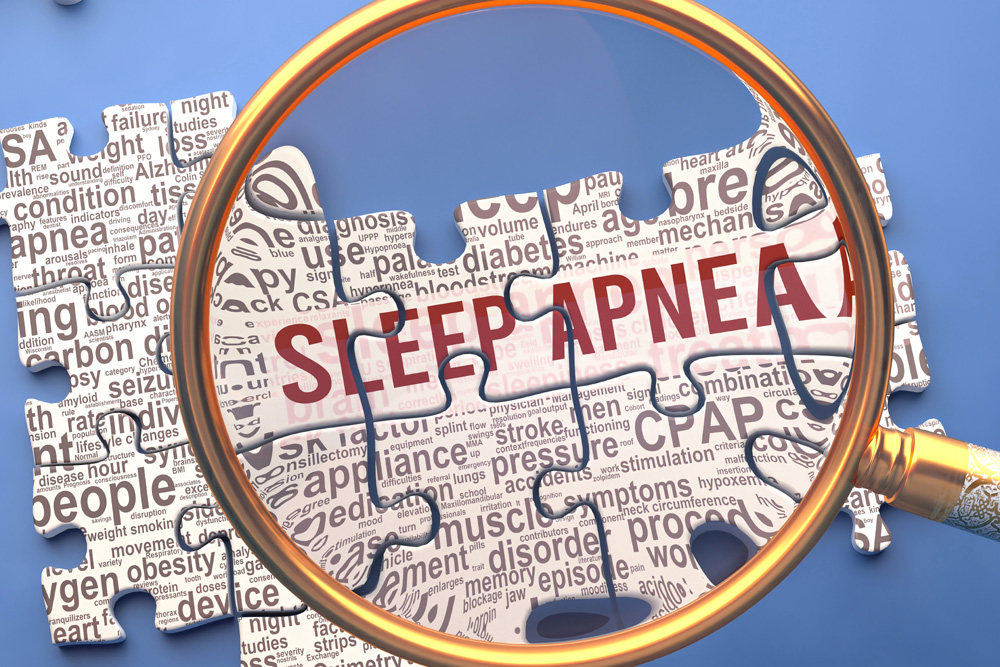 Have you ever woken up feeling drained, even after a whole night’s rest? Sleep apnea could be the problem, as it disrupts your ability to breathe while sleeping, causing you to wake continuously during the night. What many people don’t realize is that your dentist might hold the key to identifying this potentially serious health issue. Understanding your dentist’s role and how this process works could be the first step toward a more restful night’s sleep and a better, healthier quality of life.
At Birch Family Dental, we take a comprehensive approach to your health, recognizing the vital connection between oral health and sleep quality. Using advanced diagnostic tools and a personalized touch, we can identify signs of sleep apnea that might otherwise go unnoticed. Our focus on patient education and state-of-the-art technology allows us to support your journey toward better sleep and overall well-being.
What Is Sleep Apnea?
Sleep apnea is a condition characterized by recurring interruptions in breathing while you sleep. Sleep apnea is either classified as obstructive (OSA) or central (CSA).
- Obstructive sleep apnea: OSA occurs when the airway at the back of the throat becomes restricted by the throat muscles relaxing during sleep.
- Central sleep apnea: CSA occurs when the signal between the brain and muscles that control breathing gets disrupted.
According to the Sleep Foundation, OSA affects between 10% and 30% of adults in the United States, while CSA affects less than 1%. As breathing slows or stops, the body wakes itself up to restart breathing, causing a continuous sleep and wake cycle throughout the night. These disruptions can range from a few seconds to several minutes and, in some cases, occur more than 30 times an hour.
What Do Dentists Look for to Diagnose Sleep Apnea?
Even though a dentist can’t officially diagnose sleep apnea, they are typically one of the first medical professionals to notice signs related to this disorder. Using their understanding of the most prevalent dental problems related to sleep apnea, your dentist can recommend you to a medical professional who specializes in sleep disorders for further evaluation and official diagnosis.
While each oral symptom alone doesn’t necessarily point to sleep apnea, some common issues your dentist might notice that could lead to a diagnosis include:
- Throat inflammation or redness
- Unusual wear on the teeth from grinding (Bruxism)
- Bad breath caused by dry mouth
- Receding gums caused by dry mouth
- Gum disease
- Tongue with scalloped edges
- TMJ pain
Despite there being an estimated 26 million people who suffer from sleep apnea, less than 20% have actually been diagnosed with the disorder. If left untreated, sleep apnea can result in more severe health conditions like heart disease, high blood pressure, stroke, and memory problems. During your dental check-up, your dentist will perform an oral exam of your mouth in which they can spot any of the above signs related to sleep apnea. If your dentist does spot any unusual symptoms, they can also use advanced imaging to get a more in-depth picture of your mouth and throat to help determine if you need further evaluation by a sleep specialist.
If you are diagnosed with obstructive sleep apnea, a CPAP might not be your only treatment option. With advancements in dental technology, more and more people are turning to oral appliances to help hold their jaws in correct alignment during sleep without the bulk and noise of a CPAP machine. If you have any questions about the correlation between your oral health and sleep apnea or you are experiencing disruptions in your sleep, contact your dentist to discuss your options and how you can get relief to sleep more soundly and wake up well rested.
Let Birch Family Dental Help You Sleep and Smile Brighter
At Birch Family Dental, we believe that restful sleep is essential for your overall health and well-being. During your routine visits, we take the time to assess your oral health comprehensively, looking for signs that might point to sleep apnea. With our advanced technology and commitment to personalized care, we can help identify potential issues and guide you toward the right solutions.
Whether you’re exploring oral appliances or simply looking to better understand the connection between oral health and sleep quality, we’re here to help. Let us support your journey to better rest and a healthier smile. Contact us today at (307) 875-3658 or visit our contact form to learn more.
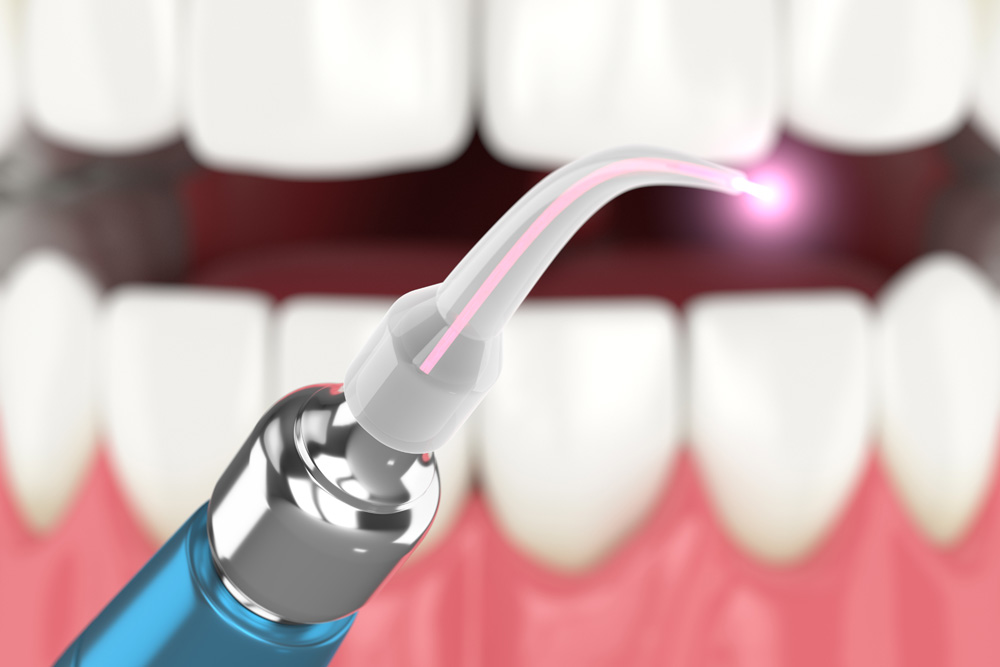
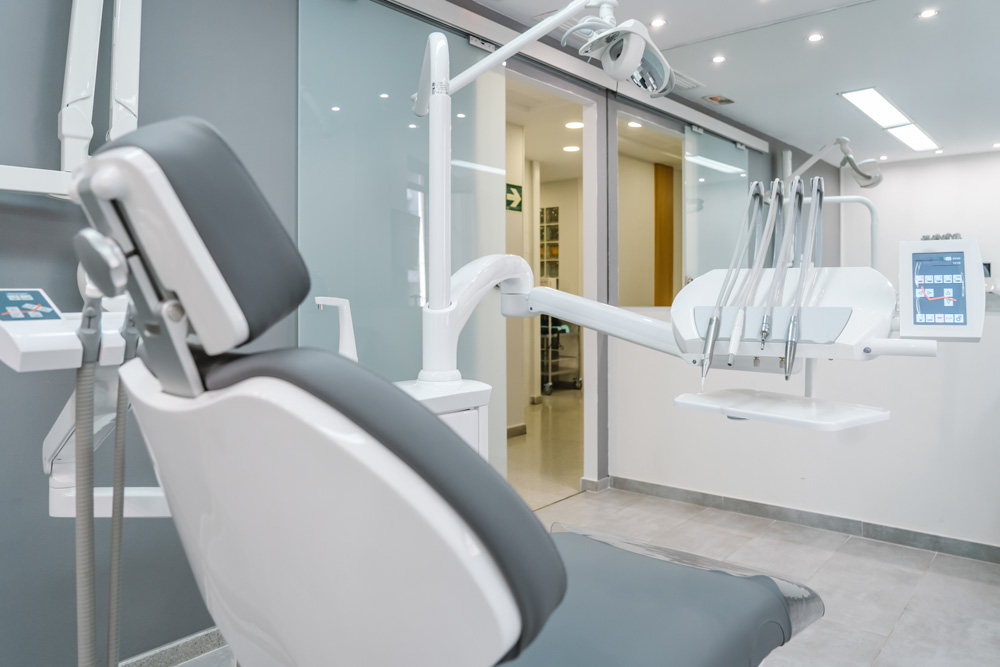
 For many, the thought of a dental drill sparks anxiety and fear of discomfort, often leading people to delay or avoid necessary dental care. But what if there was a way to skip the pain and stress by visiting the dentist without traditional dental tools? Well, you’re in luck!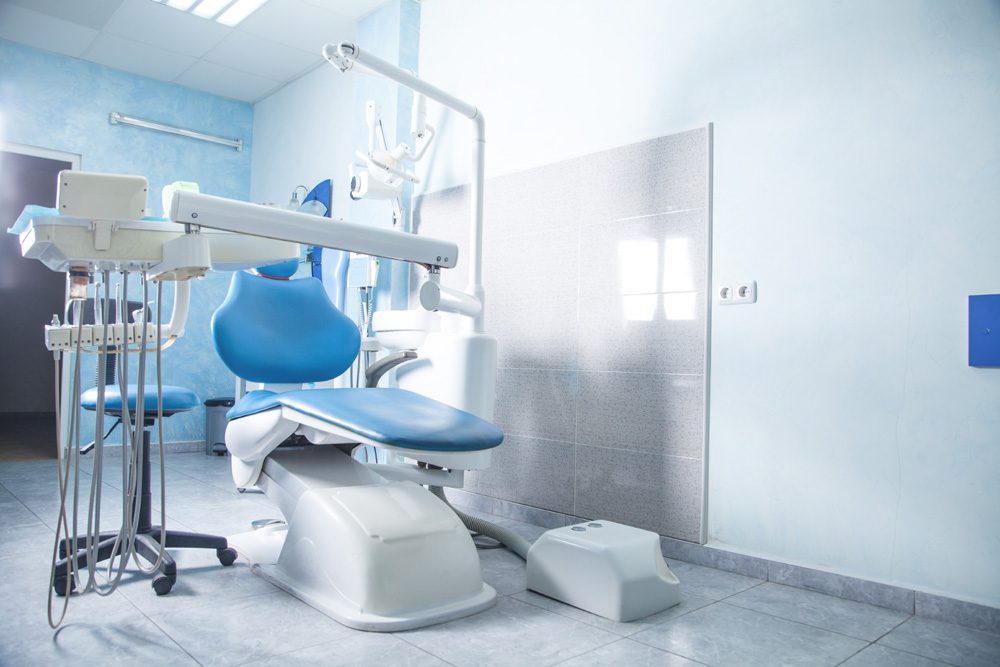
 If you struggle with loud snoring and restless nights, the problem might not stop at poor quality sleep. Sleep apnea doesn’t just affect your breathing but can also take a toll on your oral health. From teeth grinding to dry mouth and an increased risk of tooth decay, understanding the link between sleep apnea and oral health could be the first step toward a healthier smile and a better night’s sleep.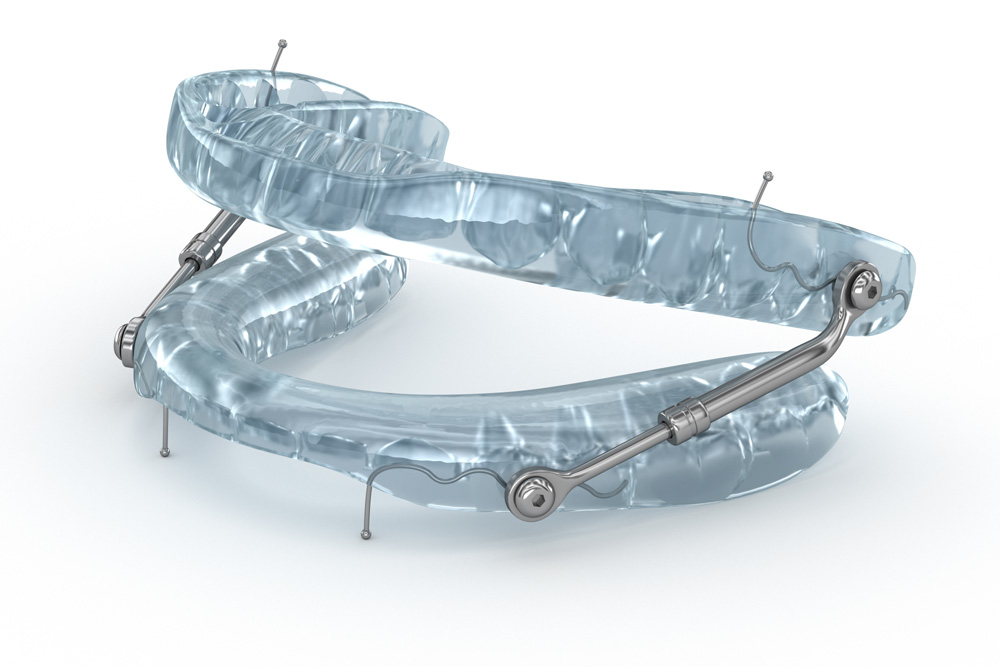
 Are restless nights and constant fatigue keeping you from enjoying life? If sleep apnea disrupts your sleep and bulky CPAP machines aren’t the right fit for you, there’s good news! While CPAP machines often steal the spotlight as the go-to solution for treating sleep apnea, it’s not your only option. From custom-fitting oral appliances to modern therapies, your dentist can help you reclaim your sleep without the need for an uncomfortable machine. Our team understands this condition’s challenges and offers advanced, non-invasive treatments that could improve your sleep and overall health.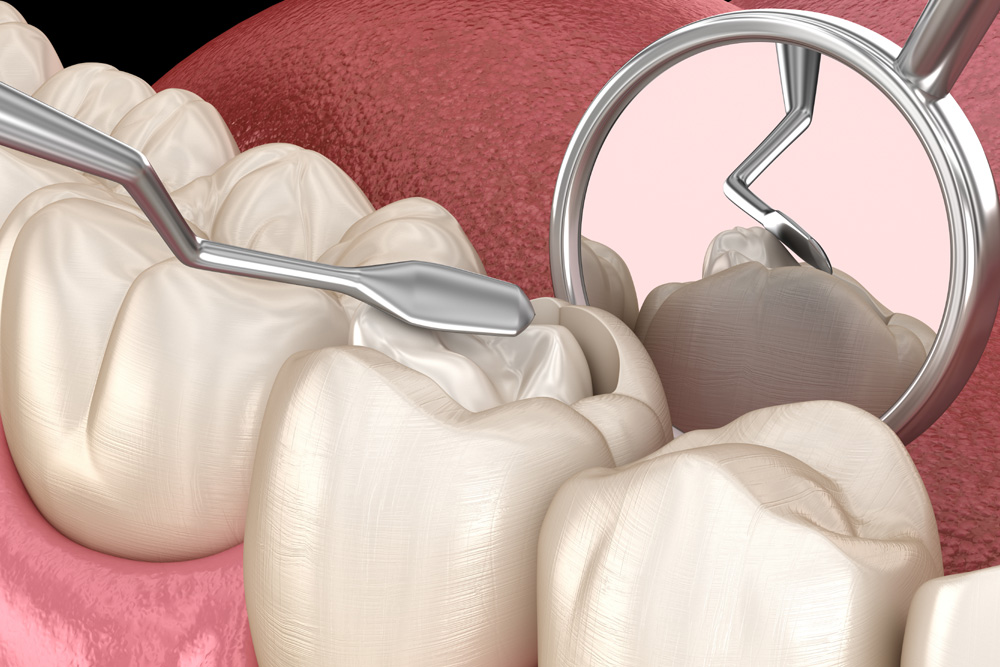
 A healthy smile isn’t just a confidence booster but rather a vital step in achieving long-term overall health. Restorative dentistry plays a crucial role in this step by enhancing and maintaining the health of your teeth and gums. It does this by repairing damaged, decayed, or extracted teeth through a wide range of dental procedures. By addressing oral health issues early, restorative dentistry helps prevent more severe problems like infections, tooth loss, or jawbone deterioration. This early prevention is essential in building life-long success in both your dental and overall well-being.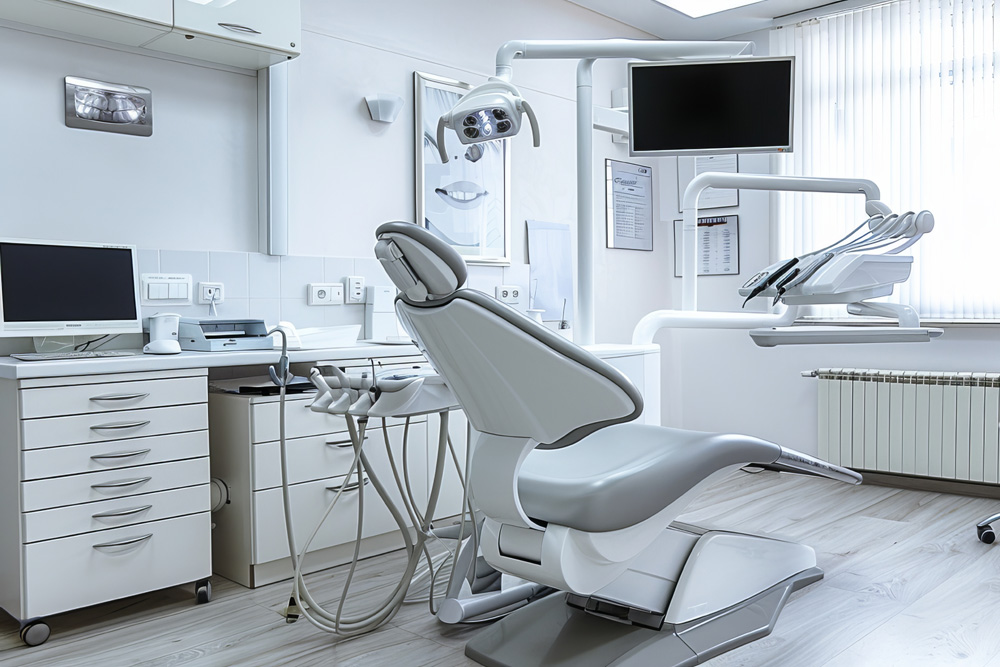
 Going to the dentist might not be one of your favorite activities, but what if your visit could be much less stressful? Many people experience anxiety when it comes to the dentist, but avoiding necessary care can lead to bigger health concerns down the road. Fortunately, modern sedation options can transform your dental experience into one that’s calm, comfortable, and entirely stress-free. From mild relaxation that wears off within minutes to deeper sedation that leaves you with little to no memory of your procedure, there are sedation options that fit every need and preference.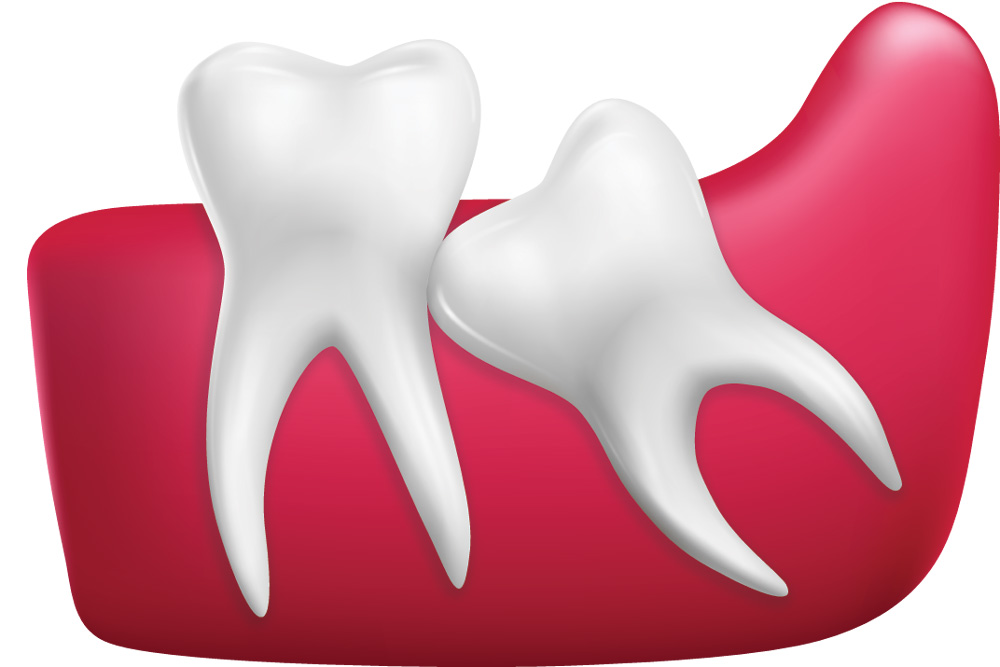
 Dealing with impacted canines can feel overwhelming, but oral surgery offers a safe and effective solution to restore your dental health. Whether you’re already scheduled for surgery or simply exploring your options, understanding the recovery process is key to feeling confident and prepared for what’s ahead. With the proper aftercare and guidance, your recovery can be smooth and stress-free, getting you back to looking and feeling your best.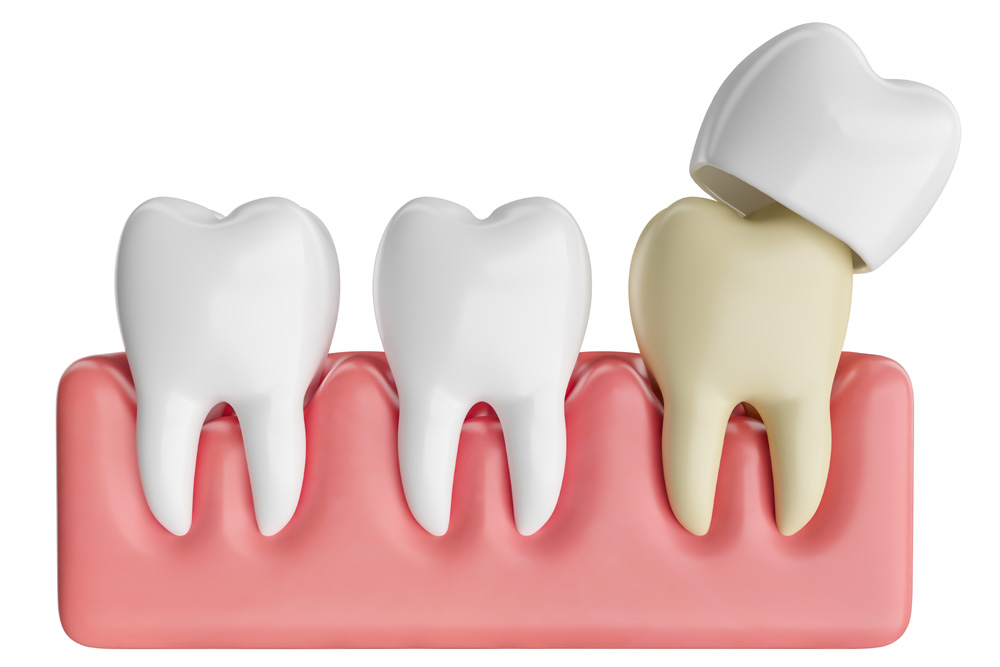
 Imagine chipping a tooth and getting a permanent crown placed all in the same day. After a busy day, no one wants to deal with multiple visits to the dentist. That’s why same-day CEREC crowns are becoming a popular choice. When restoring damaged or decayed teeth, same-day CEREC crowns offer an efficient and reliable solution. They’re designed to match the look and feel of your natural teeth, all within a single appointment. Whether you’re a busy professional or a parent juggling a packed schedule, CEREC same-day crowns could be an ideal solution to get your smile back as easily and quickly as possible.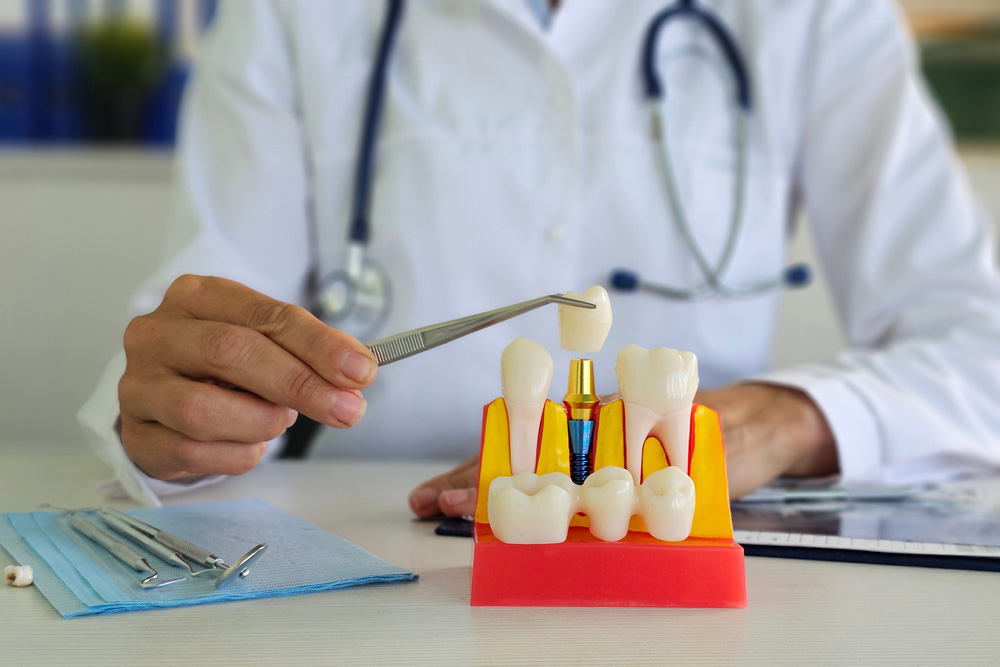
 If you’ve been told you need a root canal, it’s natural to feel a little apprehensive. However, understanding what to expect during the procedure can help ease your concerns.